Formaldehyde-Free Film for Children's Furniture and SchoolsChildren draw on, chew and bump into every surface they can reach. Buyers check what that surface is made of before they look at the colour.
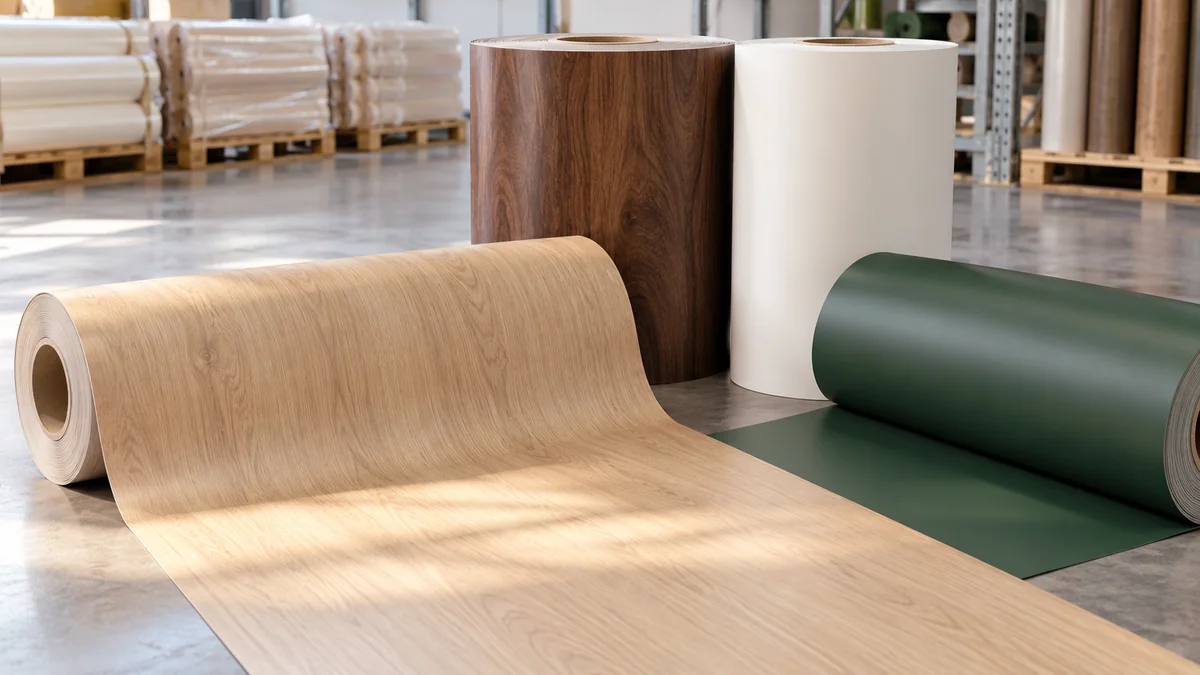
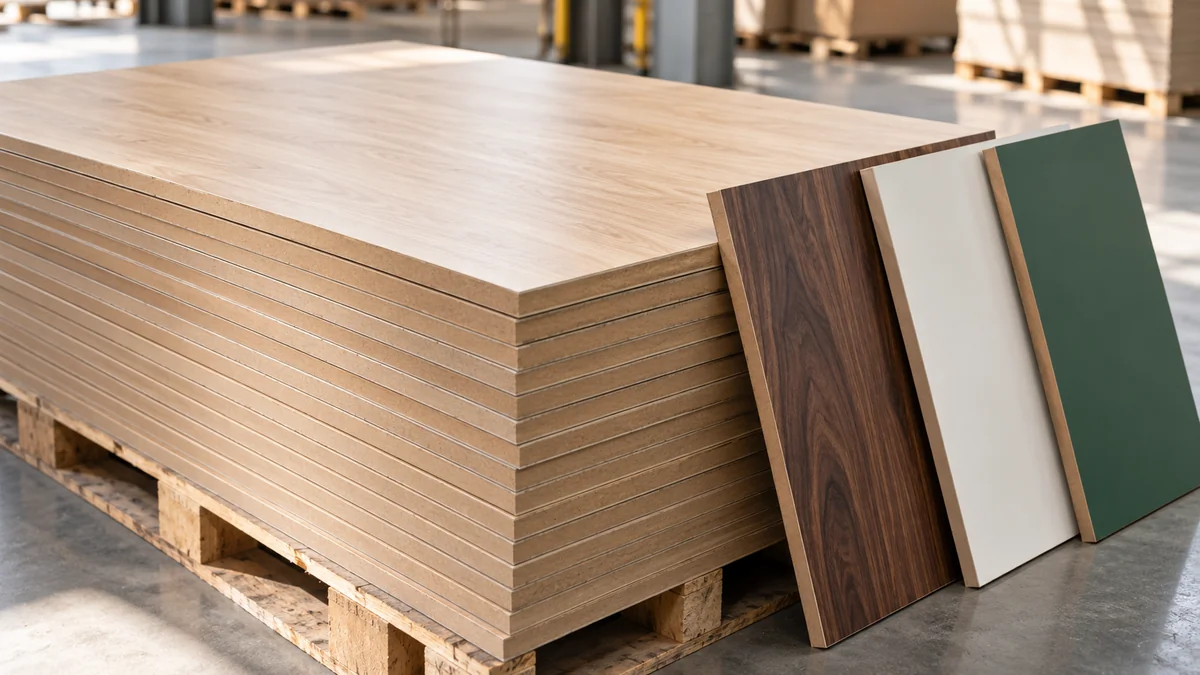
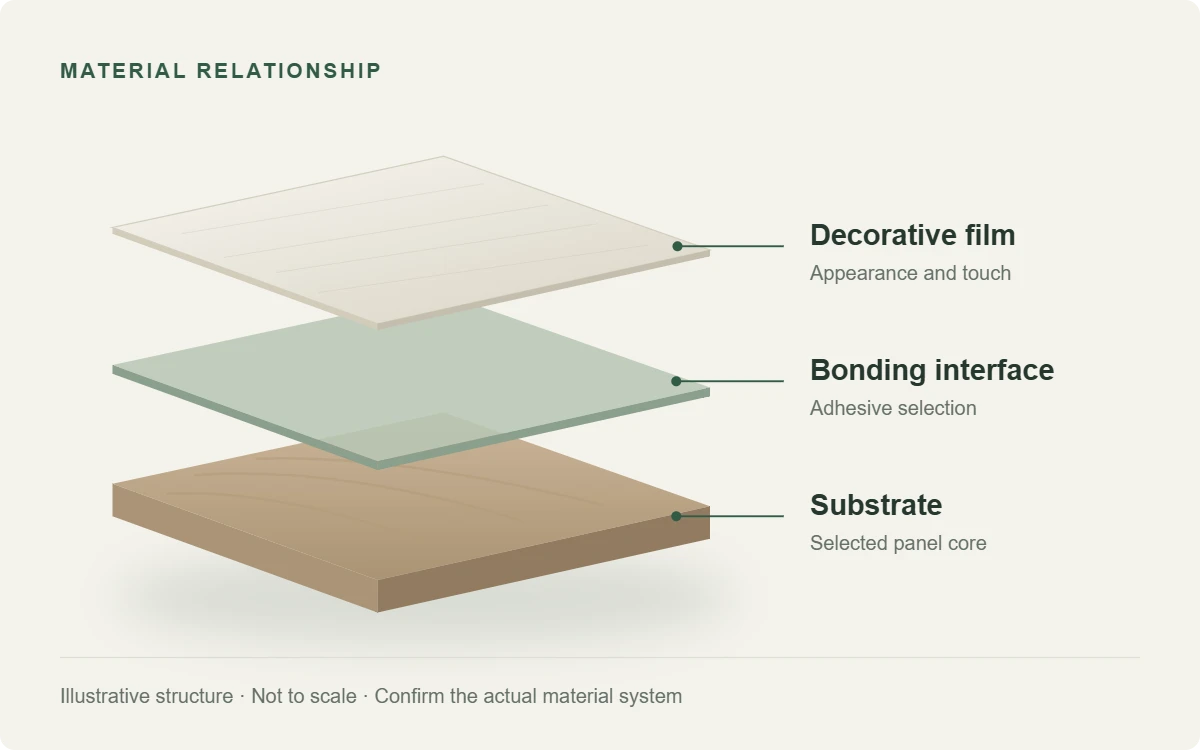
We make a silicone-surfaced decorative film on a PET carrier. Furniture factories laminate it to MDF, particleboard or plywood with PUR adhesive, the same flat-lamination route used for PVC film. Buy the film in rolls, or ask us to quote film-faced panels for your project.
Free samples are separate from production orders. Production MOQ: standard film 500 m; panels 200 sheets at 1220 × 2440 mm. Technical guidance for your first lamination trial.
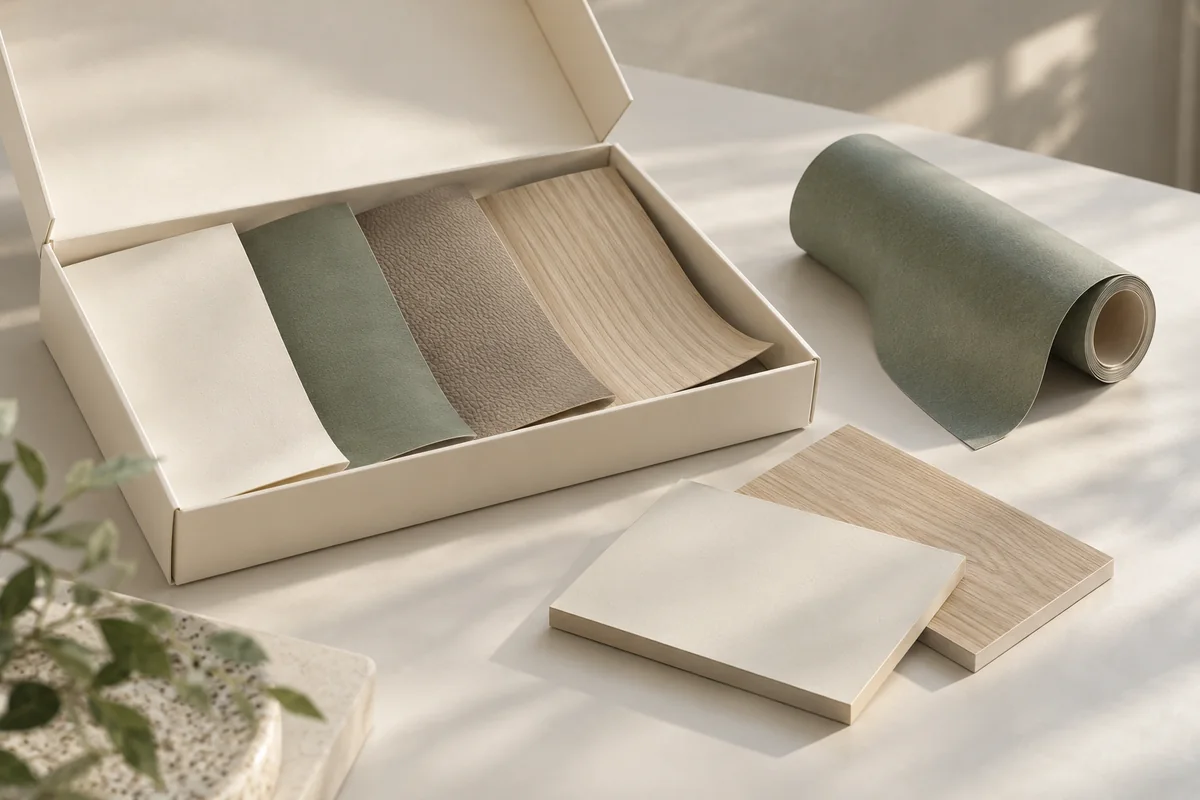
Film sample kit
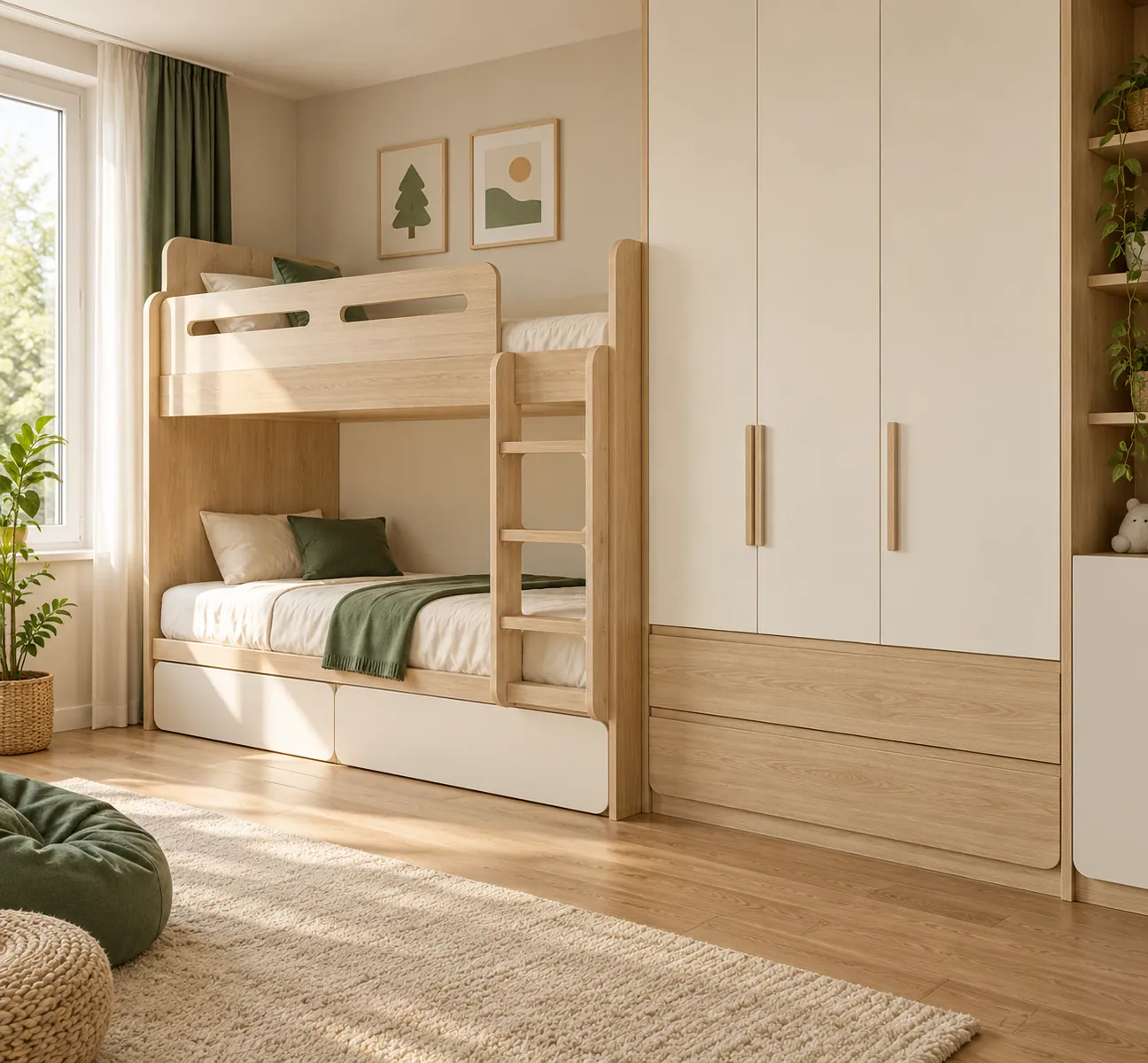
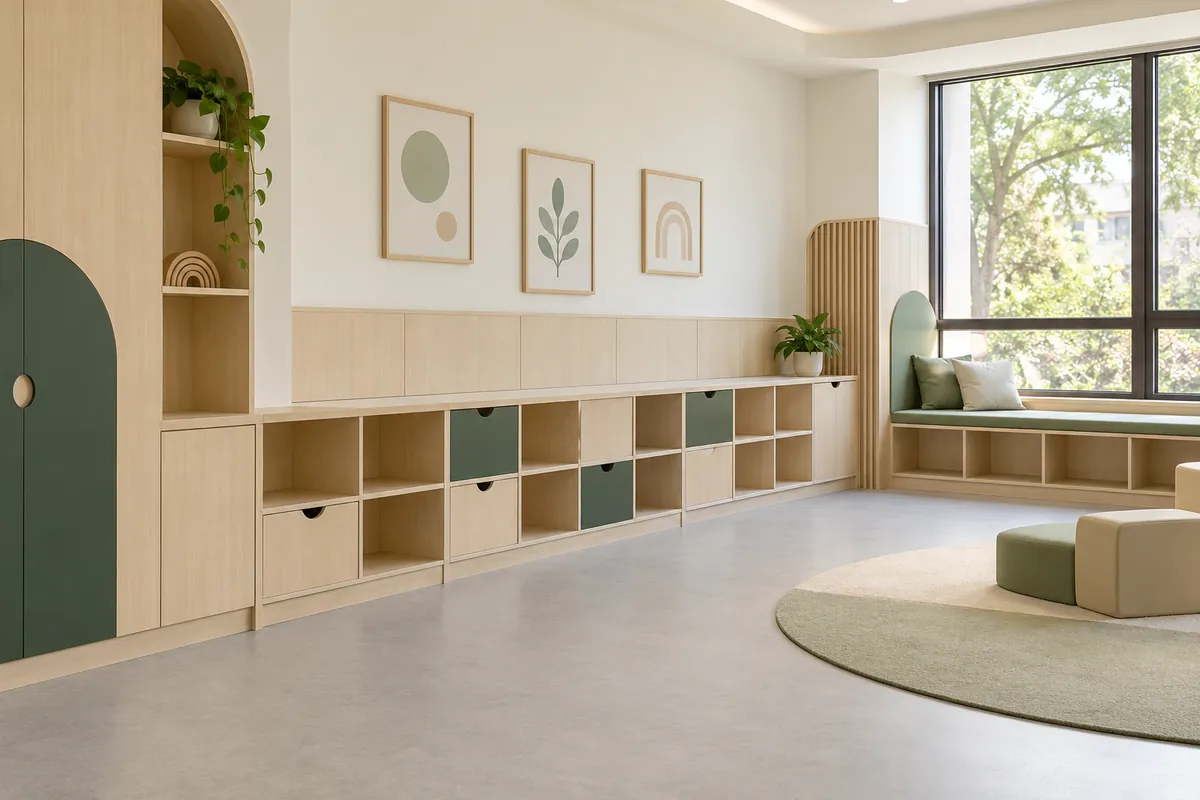
Children's furniture and schools
What Makes Children's Furniture Surfaces Different From Adult Furniture?
Adult furniture expectations
Fronts are touched by hands, at handle height
Marks are occasional and come off with a damp cloth
Buyers choose mainly on decor and price
A hard, cool surface is accepted
Material declarations are seldom requested
Children's furniture and school requirements
Hands, faces and teeth on every edge and front a child can reach
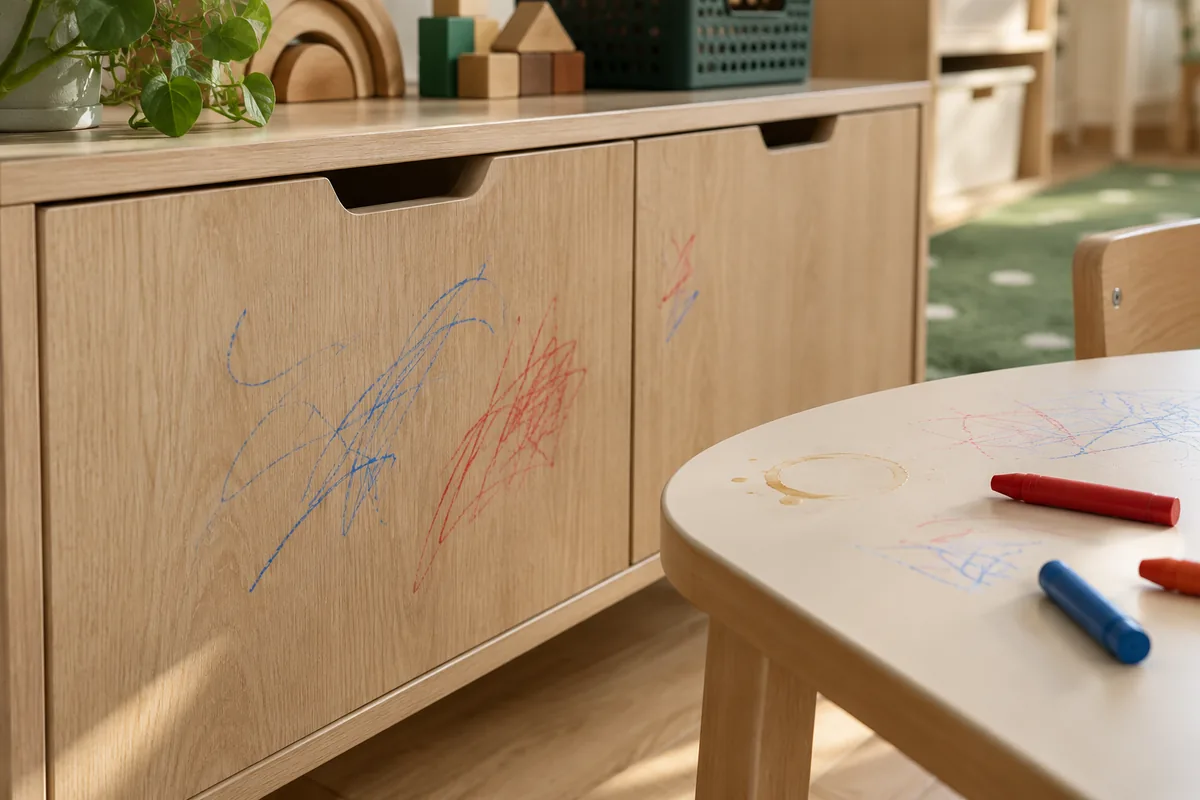
Crayon, marker, juice and food on fronts and walls
Retail and school buyers ask for formaldehyde and plasticizer data
Parents and teachers notice how a surface feels to touch
Toys, chairs and shoes knock the lower panels daily
Kindergartens wipe surfaces down every day
The difference for a furniture maker
An adult wardrobe sells on looks. A child's wardrobe also has to pass a retailer's material review and survive a box of crayons. Most of both comes down to the face material you laminate onto the board.
Send us the material requirements from your retailer or school buyer, and we tell you which ones the film already covers.
Real Challenges Facing Children's Furniture and School Projects
01
Material reviews that hold up orders
Retailers and school buyers ask for formaldehyde, plasticizer and chemical data on every layer of the product. A face material without test reports stalls the review, and the order waits with it. Our commercial interior applications overview also covers healthcare, hotel furniture and millwork.
02
Marks children leave every day
Crayon, marker, juice and food end up on wardrobe fronts and classroom walls. A surface that stains, or needs solvent to clean, turns into complaints from parents and teachers.
03
A hard, plastic feel
PVC and melamine fronts feel hard and cool to the hand. Brands selling premium children's furniture want a surface that feels soft when a child leans on it.
Tell us which of these is slowing down your range or project now.
5 Most Common Problems With Children's Furniture Surfaces
Each problem is followed by what the film does about it and the evidence we can show. Results describe film samples under the stated conditions, not a finished panel or piece of furniture.
01Formaldehyde questions on the face layer
Buyers want to know whether the surface adds formaldehyde on top of the board.
The film contains no formaldehyde and has passed SGS testing for formaldehyde emission. Emissions from the finished panel still depend on the board and adhesive. In the US, composite wood boards in finished furniture fall under TSCA Title VI, and that certification comes from your board supplier.
EvidenceSGS formaldehyde emission test, film sample. Film formulation, confirmed by the manufacturer.
02PVC and plasticizers in the surface
Flexible PVC films can contain plasticizers, and some buyers screen PVC out of children's ranges altogether.
The furniture film contains no PVC and 0 plasticizers, including no DOP. It has also passed SGS testing for REACH SVHC and RoHS.
0 plasticizersEvidenceFilm formulation, confirmed by the manufacturer. SGS REACH SVHC and RoHS tests.
03Marker, ink and food stains
Hard scrubbing scratches the face, and the scratches catch the next stain.
Coffee, red wine, soy sauce and lipstick left for 24 hours at 25 °C wiped off with no visible change. Ballpoint pen, water-based and oil-based marker showed no change or slight staining. With a surface energy of about 21 mN/m, liquids bead up on the silicone instead of soaking in. Watch cleaning video↗
24 hoursEvidenceStains: manufacturer laboratory tests. Surface energy: worked examples in our patent application.
04Scratches from toys, chairs and shoes
Lower panels and drawer fronts take the most knocks, and a scratched front looks old within a year.
A 2H pencil at 500 gf and 45° left no visible scratch. A Taber test (ASTM D4060, CS-10 wheels, 1,000 g per wheel, 2,000 cycles) left slight matting only, with no exposed substrate and no peeling. Dents from hard impacts depend on the board underneath. Watch scratch video↗
2,000 cyclesEvidenceSGS reports SZIN2608002405PL02 and PL04, film samples.
05Surfaces that feel hard and cold
Parents judge children's furniture with their hands in the showroom.
The face is silicone, not a printed plastic. The structural layer has a Shore hardness of 40–70 A, and an optional soft-touch layer of 5–30 μm can be added on top, so the surface has a leather-like feel.
40–70 AEvidenceFilm structure. Hardness: worked examples in our patent application.
Tell us which documents your retailer or school buyer has asked for. We reply with the results we hold.
Why Children's Ranges Leave No Room to Swap the Surface Later
Approved materials are locked in
Once a retailer approves a children's product, a new face material means new test reports and new samples for their quality team. Switching mid-range costs a season.
Ranges run for years
A bunk bed or wardrobe line is reordered for several seasons. If the decor shifts between batches, customers notice the moment they add a piece.
Complaints travel fast
A surface problem on a child's product reaches online reviews and the retailer's quality team quickly. The furniture maker answers for it, not the film supplier.
Test the film on your own line before it goes into a retail sample.
How We See the Film's Role in Children's Furniture
01
The face is what children touch
Children never touch the board core. Every crayon line, sticky hand and toy knock lands on the top 20 to 100 μm of silicone, so that layer decides how the furniture ages.
02
Edges need a matching plan
The film is flat-laminated, and edges are banded separately. Choose an edge band in a matching decor and round the corners, because edges are where small hands go first.
03
Data you can hand to buyers
We send film data with its source and test conditions. You add the board, adhesive and edge band papers, and that becomes the file your retailer reviews.
Tell us your board, adhesive and edge band, and we check the film fit.
The Right Film or Panel Path for Children's Furniture
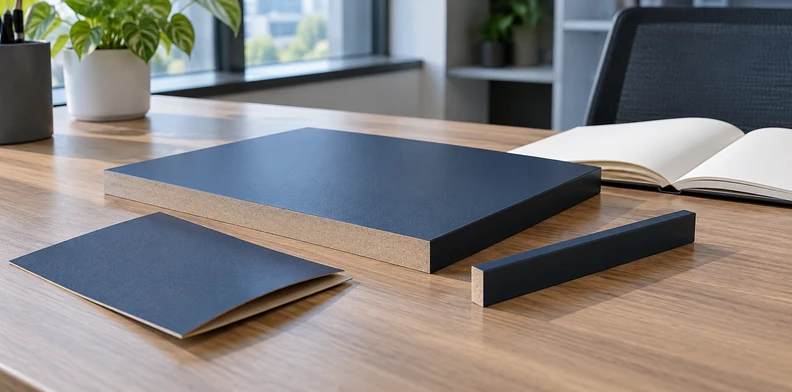
Start with film rolls if you laminate in-house. If you do not, we quote the film already bonded to the board.
1. Samples and mark testFree samples. Try them with crayons, markers and the cleaners your customers use.
2. Lamination trialRun the film on your PUR flat-lamination line with our technical guidance.
3. Range or project supplyProduction orders start at 500 m of standard film, or 200 panel sheets at 1220 × 2440 mm. Film-faced panels are quoted per project.
Available now
Film rolls
For furniture factories and panel makers with a flat-lamination line.
Silicone surface on a PET carrier, no back adhesive
100+ patterns; custom colours and gloss levels on request
Free samples are separate from production orders; standard film MOQ is 500 m
Test Data & Compliance Documents for Children's Furniture
SGSformaldehyde emission
SGSREACH SVHC
SGSRoHS
FourSGS reports on the film
ISO9001 / 14001
Chemical tests
Formaldehyde, REACH and RoHS
The film has passed SGS testing for formaldehyde emission, REACH SVHC and RoHS. Reports and ISO 9001 / ISO 14001 certificates are available with your enquiry. Certificates are issued to our sister company, which develops the silicone formulation.
Performance tests
Four SGS reports on the film
PL01: 0.06% / 0.10% length and width change after 100 °C for 600 minutes
PL02: no visible scratch, 2H pencil at 500 gf
PL03: tensile test, two specimens (reference only; specimens broke outside the gauge marks)
PL04: Taber abrasion, 2,000 cycles, slight matting only
Support
Your product file
Rules for children's furniture, such as CPSIA in the US, apply to the finished product, so your testing lab signs off the whole piece. We supply the film data for that file, each figure labelled by source: SGS report, manufacturer laboratory test or patent application (pending).
Tell us which documents your retailer or school buyer has asked for.
From First Sample to Long-Term Supply: A Predictable Path
1. Requirements and samples
Send your buyer's material requirements and the patterns you like. Free samples ship in 3–5 working days.
2. Mark test and lamination trial
Test with crayons, markers and cleaners, then laminate a trial run on your line with our guidance.
3. Retail samples or pilot batch
Request evaluation samples for the range or first project separately from production orders. Production MOQ: standard film 500 m; panels 200 sheets at 1220 × 2440 mm.
4. Stable supply
Repeat orders against the approved colour reference, from six lines with over 1 million m² of monthly capacity.
Typical lead times
Standard film orders take 15–25 days after deposit. Custom patterns add 7–10 days for proofing. Film-faced panels are quoted per project, with lead times in line with standard PVC-faced panels.
Give us your launch or project dates and we work back to a sample and order schedule.
Why Furniture Makers Choose Puremorfilm for Children's Ranges
10+years in decorative surface materials
sixlines
1 millionm² of monthly capacity
100+patterns
01
Factory direct
Printing, silicone coating, curing and slitting run on our own six lines. You deal with the plant that makes the film, with 10+ years in decorative surface materials. Watch the factory video↗
02
Chemistry behind the surface
The silicone formulation comes from our sister company. Its chemists support grade changes such as a soft-touch layer or an antibacterial version.
03
Easy to start, easy to scale
Free samples are separate from production orders, with technical guidance on your line. Production MOQ: standard film 500 m; panels 200 sheets at 1220 × 2440 mm. Custom decors for private-label ranges, and film-faced panels when a project needs them.
We switched our children's furniture line to Puremorfilm film. The soft-touch surface was the first thing our retail buyers noticed, and the formaldehyde-free test reports made our compliance review much faster.
Yes. The film contains no formaldehyde and has passed SGS testing for formaldehyde emission. The finished panel's emissions also depend on the board and adhesive, so check those with their suppliers.
Does the film contain PVC or phthalates?
No. The furniture film contains no PVC and 0 plasticizers, including no DOP. It has also passed SGS testing for REACH SVHC and RoHS.
Will my furniture meet CPSIA or TSCA Title VI?
Those rules apply to the finished product and to the composite wood board, so your testing lab and board supplier confirm them. We supply the film reports that go into your product file.
Do crayon and marker come off?
In the manufacturer's laboratory tests, ballpoint pen, water-based and oil-based marker showed no change or slight staining after 24 hours. A kindergarten fit-out contractor in the UK told us teachers wipe crayon marks straight off the wall panels.
Is the film flame-retardant?
Yes, as standard. Higher grades up to UL 94 V-0 are available with a matching report. The fire rating of a finished panel depends on its core and adhesive, so test the assembled panel where a project requires it.
Can you supply finished film-faced panels?
Yes, on request. We quote per project, faced on one or both sides, on any board that takes flat-laminated PVC film. Send the board type, size, thickness and quantity.
Request received
We reply by email with the samples, documents or quote you asked for.