
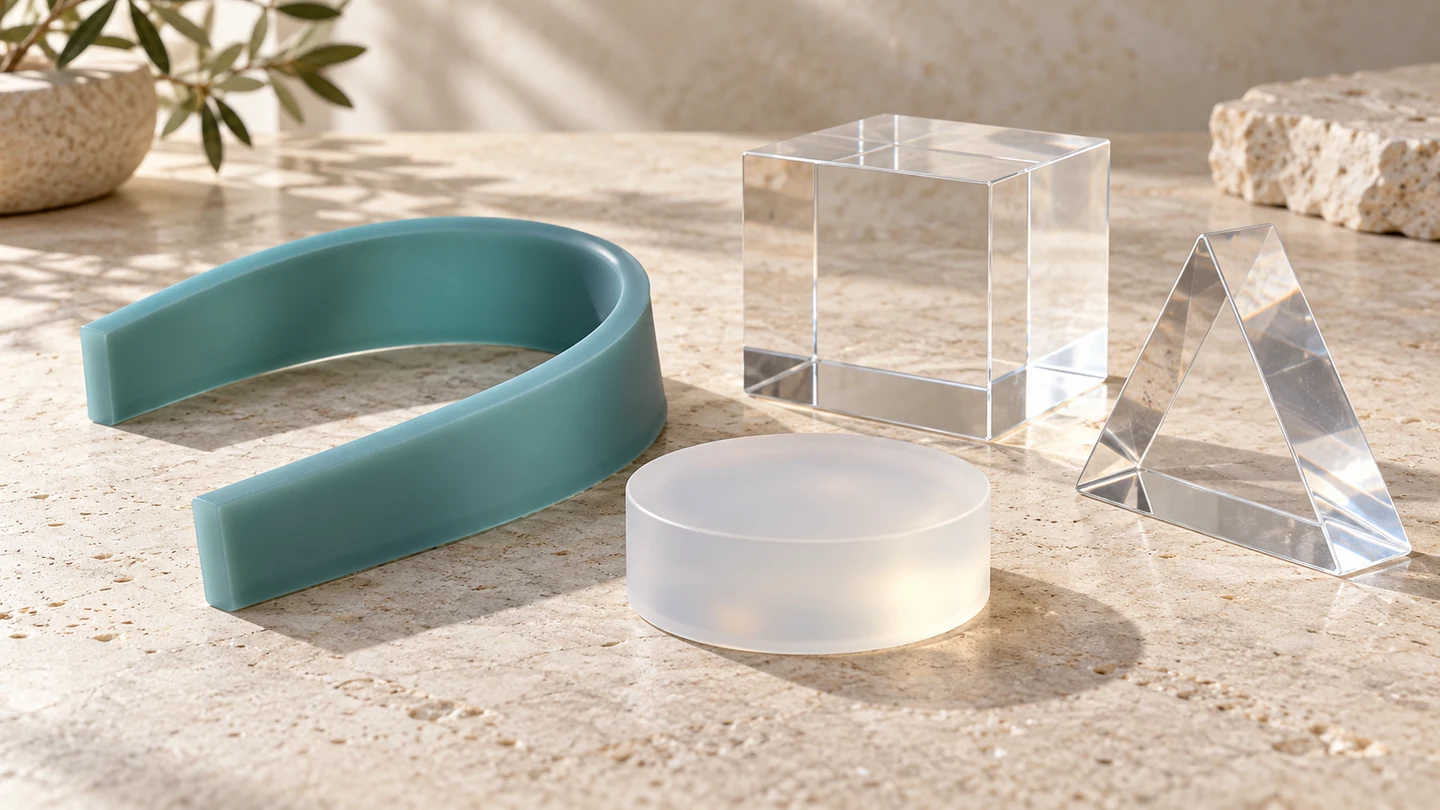
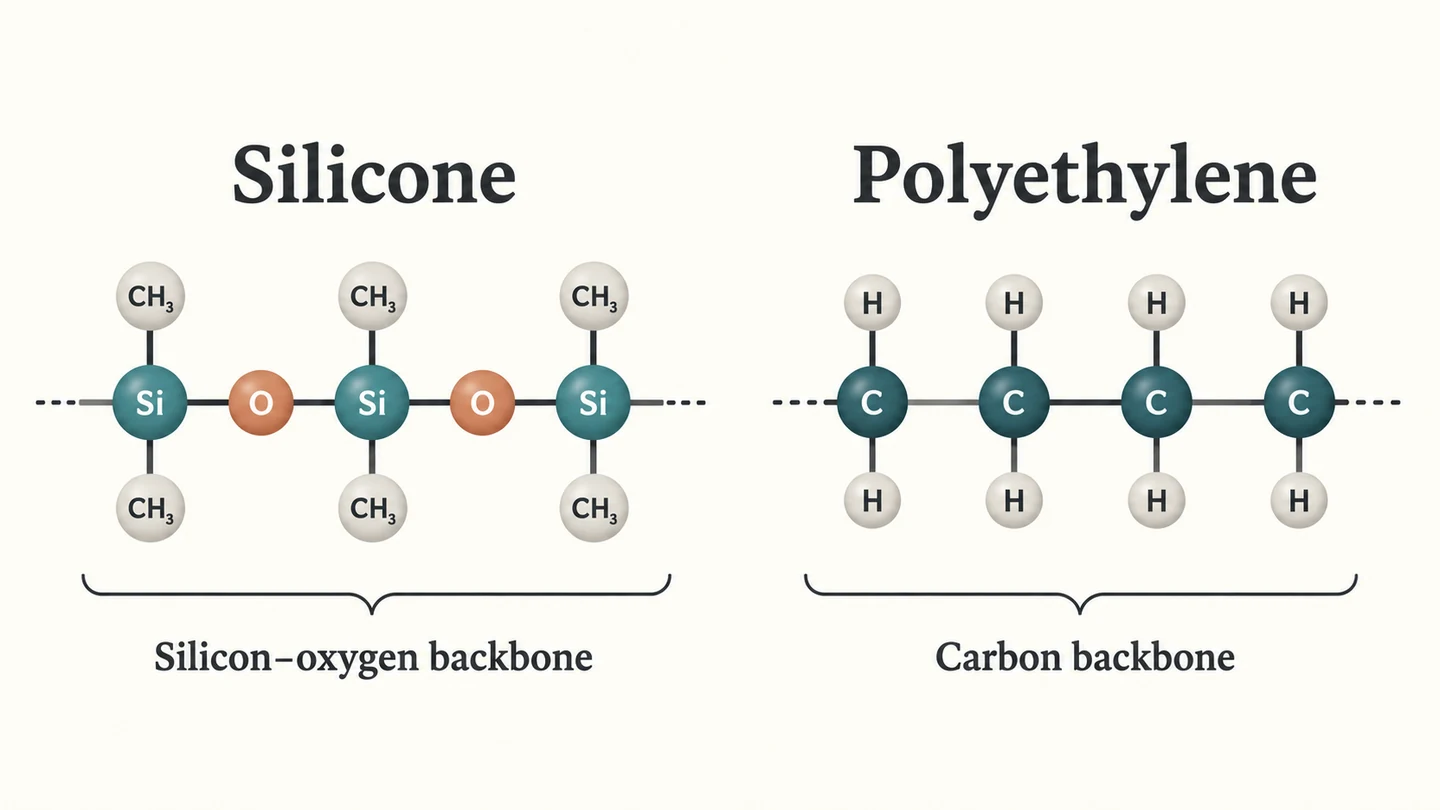
Silicone is a family of synthetic siloxane materials, and whether it is called a plastic depends on the definition and the form: the cured silicone rubber in most everyday products is a thermoset elastomer. Its molecules contain alternating silicon and oxygen atoms with organic side groups. Some silicones have long polymer chains; others are shorter oligomers.
A silicone rubber can be both a polymer and an elastomer. Those names describe its molecular size and its elastic behavior. Understanding which question each name answers helps you read a product description, compare materials and recognize a silicone surface carried on a plastic film.
Is silicone plastic under a technical definition?
Silicone can fall within a broad use of the word plastic, while a cured silicone rubber is more precisely described as a thermoset elastomer. A useful answer identifies both the definition and the actual material.
The IUPAC definition of plastic is a general term for polymeric material, which may contain other substances to change performance or cost. Its engineering note refers to materials processed by flow. The same entry warns that using plastic as a substitute for polymer causes confusion. A material label therefore needs more detail than a yes or no.
Which terms can describe the same material?
| Term | What it describes | How silicone fits |
|---|---|---|
| Silicone | A chemical family of polymeric or oligomeric siloxanes | Includes short molecules, fluids, rubber and resin forms |
| Polymer | A substance made of macromolecules | Long-chain silicones qualify; the family also includes oligomers |
| Plastic | A general term for a polymeric material, often formulated for processing | The intended definition and silicone form determine how useful the label is |
| Elastomer | A polymer with rubber-like elasticity | Describes cured silicone rubber, rather than every silicone |
| Thermoset | A network produced by irreversible curing | Describes conventional cured silicone rubber and some other cured systems |
| Thermoplastic | A material that can flow on heating and set on cooling | Describes familiar plastics such as polyethylene and PET; differs from conventional cured silicone rubber |
The formal silicone, polymer and elastomer definitions describe different features, so the rows overlap. A flexible silicone baking mold can be a polymer, an elastomer and a thermoset at the same time.
How do silicon, silica and silicone differ?
Silicon, silica and silicone also need separating. Silicon is the chemical element. Silica is silicon dioxide, found in quartz sand. Silicone contains siloxane units with organic groups. Buying a silicon chip, a bag of silica and a silicone sealant means buying three different things.
Material names can also describe different layers of a finished surface. The decorative laminate overview puts silicone-faced surfaces in that broader context; the PVC and vinyl terminology comparison explains another pair of labels that often causes confusion.
Is silicone a plastic or a rubber?
Cured silicone rubber is an elastomer: it deforms under a load and tends to recover when you lift the load. Rubber describes this behavior, while polymer describes its molecular structure.
For a flexible spatula head or a soft silicone ring, silicone rubber is the useful material description. Calling it rubber tells you why the part can flex; specifying silicone identifies the chemical family. Silicone oil and silicone resin belong to that family too, but they are different forms with different jobs.
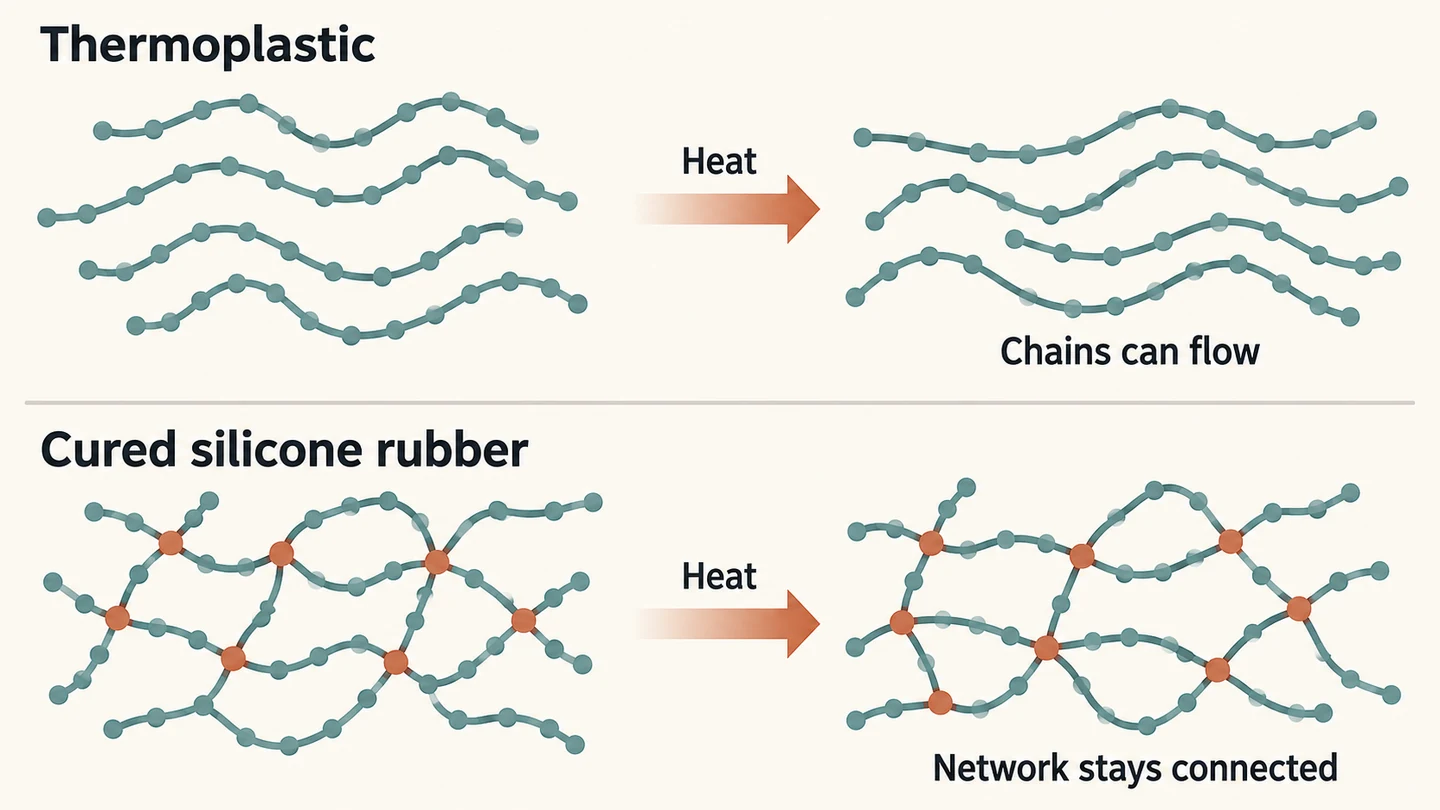
Conventional silicone rubber gains its shape from a crosslinked network. Connections between chains keep the cured material together while the network deforms. The amount of stretch, recovery and stiffness must still come from the particular grade’s data, especially when a part needs to seal, cushion or hold a defined shape.
Most silicone elastomers are thermosets, as described in the authors’ abstract of a study on reversible silicone networks. That study concerns special chemistry that allows networks to be uncrosslinked and formed again. It explains why a statement about every possible silicone being permanently unprocessable would be too broad.
An IUPAC thermoplastic elastomer has a thermoreversible network. Elasticity and thermal processing are therefore separate properties: a thermoplastic elastomer is rubbery and can be reprocessed by heat, while conventional cured silicone rubber is rubbery and cannot. The same care applies to decorative surfaces and laminates, where the exposed face and its support can be different materials.
What is silicone made of?
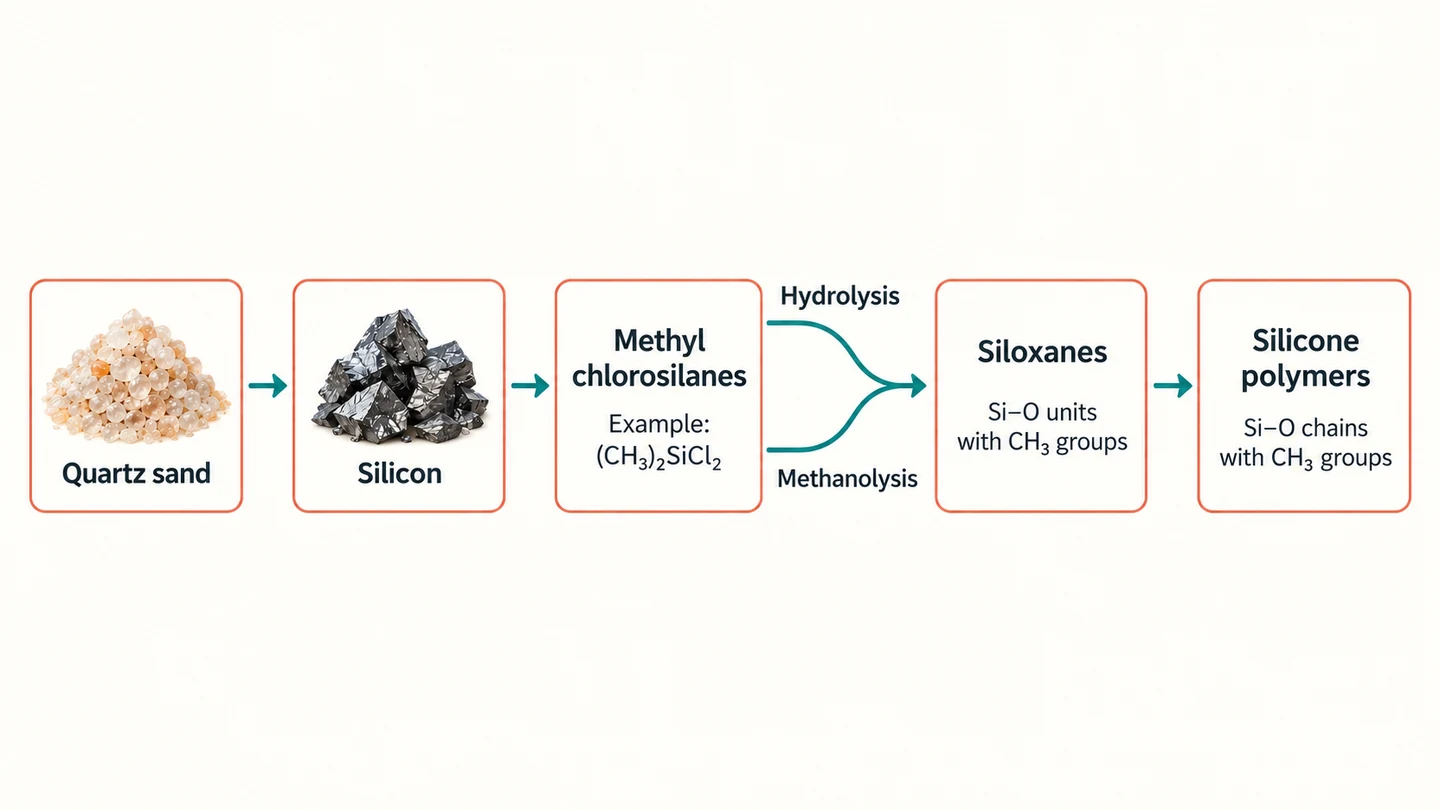
Silicone production starts with mineral silica, commonly from quartz sand, and proceeds through several chemical stages to siloxanes and silicone polymers. The finished material has a different composition and structure from the starting sand.
The broad sequence is quartz sand, silicon, methyl chlorosilanes, siloxanes and then longer silicone chains. The European silicones industry’s production overview describes obtaining silicon and grinding it into powder. Next, silicon powder reacts with methyl chloride. Distillation separates the resulting methyl chlorosilanes.
That methyl chlorosilane stage introduces organic groups into the chemistry. Subsequent reactions create the silicon–oxygen units of siloxanes. Manufacturers can then build longer chains and formulate the material for its intended form.
Published descriptions include different routes through the conversion stage. The chemistry chapter in the 1999 National Academies reference describes hydrolysis. The current industry page names hydrolysis but describes methanolysis, a reaction with methanol, as the better route. Either route yields a mixture of siloxanes. Polymerization then builds longer chains.
For a buyer, the consequence is straightforward: the word sand identifies an upstream mineral source, not the composition of a finished kitchen utensil or coating. The later chemistry determines the silicone form, and the final formulation determines the properties of the supplied grade.
Is silicone natural, synthetic or petroleum based?
Silicone is synthetic: its mineral starting material undergoes chemical reactions to produce siloxane materials containing organic groups. Describing it as natural because its production starts with sand leaves out the manufacturing chemistry.
The backbone contains silicon and oxygen, while attached organic groups contribute carbon and hydrogen. The American Chemistry Council’s silicone chemistry explanation identifies all four elements. A silicon–oxygen backbone therefore does not make silicone carbon-free.
Petroleum based is less useful as a blanket label than a description of the actual ingredients. The production route uses mineral silicon and organic chemical intermediates. Establishing where those intermediates and the manufacturing energy came from requires information about the particular supply chain. A mineral starting point cannot establish a claim that the whole material is petroleum-free, natural or environmentally preferable.
When comparing two finished products, read what the seller’s origin claim covers. It might describe the main backbone, one ingredient or the entire formulation. Those are different statements. A silicone-faced plastic film, for example, still contains both a silicone face and a plastic support, however the listing describes it.
Why doesn’t cured silicone melt when it is heated?
Conventional cured silicone rubber has a crosslinked network, so heating does not make its chains flow into a new shape in the way a thermoplastic can. The links between chains keep the material connected.
The thermosetting polymer definition describes curing as an irreversible change into an infusible, insoluble network. The cured result is a thermoset. Purdue’s polymer teaching material contrasts this behavior with thermoplastics that soften for processing and harden again on cooling.
A familiar polyethylene or PET article belongs to the thermoplastic side of that comparison. A cured silicone rubber part belongs to the crosslinked side. Heating the rubber again does not turn it back into the uncured liquid used to make it. Excessive heat can still damage or decompose a network, so resistance to melting should never be read as an unlimited service temperature.
Thermosetting plastics also exist. A failure to melt therefore cannot settle the question “is silicone plastic?” The more useful processing question is whether the particular material is a thermoplastic, a conventional thermoset or a specially designed reversible system.
For a replacement seal or a flexible mold, use the grade’s stated service conditions. For a multilayer panel facing, evaluate the complete facing and its bond: the surface and backing can respond differently to heat.
What forms does silicone come in?
Silicone comes as fluids, greases, rubber, resins and sealants, so the form should appear beside the material name. These categories explain why two products described as silicone can behave very differently.
The industry’s silicone material overview lists these forms. A fluid can move and spread; a cured rubber holds an elastic shape; a resin can form a coating; a sealant is supplied to fill a joint and cure in place. The family name is shared, while the practical task changes.
Consider the difference between a flexible spatula, a sealed bathroom joint and a coated surface. You would evaluate flexibility for the spatula, the specified joint performance for the sealant, and the exposed coating’s behavior for the surface. Substituting one form for another because both labels contain silicone would miss the reason each product was formulated.
A product description should consequently identify the form, its cured or uncured state and its intended use. An adjective such as flexible gives useful information about the feel of a sample, but it does not identify its entire formulation or the conditions it can withstand.
How should you compare silicone with a plastic?
A meaningful comparison names the silicone form, the particular plastic and the property you need. You can then compare a silicone rubber part and a polypropylene part for the same job under the same conditions.
Start with the task. A handle grip needs a different balance of deformation, recovery and stiffness from a rigid container or a decorative panel face. Next identify the exact grades and construction. A thin coating on a carrier behaves as a composite, while a molded rubber part is a different test object.
Compare the reported property with its method and conditions. Compare recovery after deformation for an elastic part. For heating, compare the stated exposure and the effect on the finished part. A chemical-exposure comparison needs the chemical, concentration and contact conditions. A broad claim of better durability cannot replace these details.
Mechanisms explain some differences: an elastomer offers rubber-like recovery, while a conventional thermoset network resists flow on reheating. Those descriptions do not rank every silicone above every plastic for wear, cost or temperature. For furniture faces, the cabinet surface durability test guide explains how to compare test reports on a consistent basis.
Food-contact or infant-use suitability requires the specific product’s grade and applicable compliance documentation; the material name cannot answer that question. For other purchases too, a clear product specification is more useful than a general promise about the entire material family.
Where does a silicone surface on a plastic film fit?
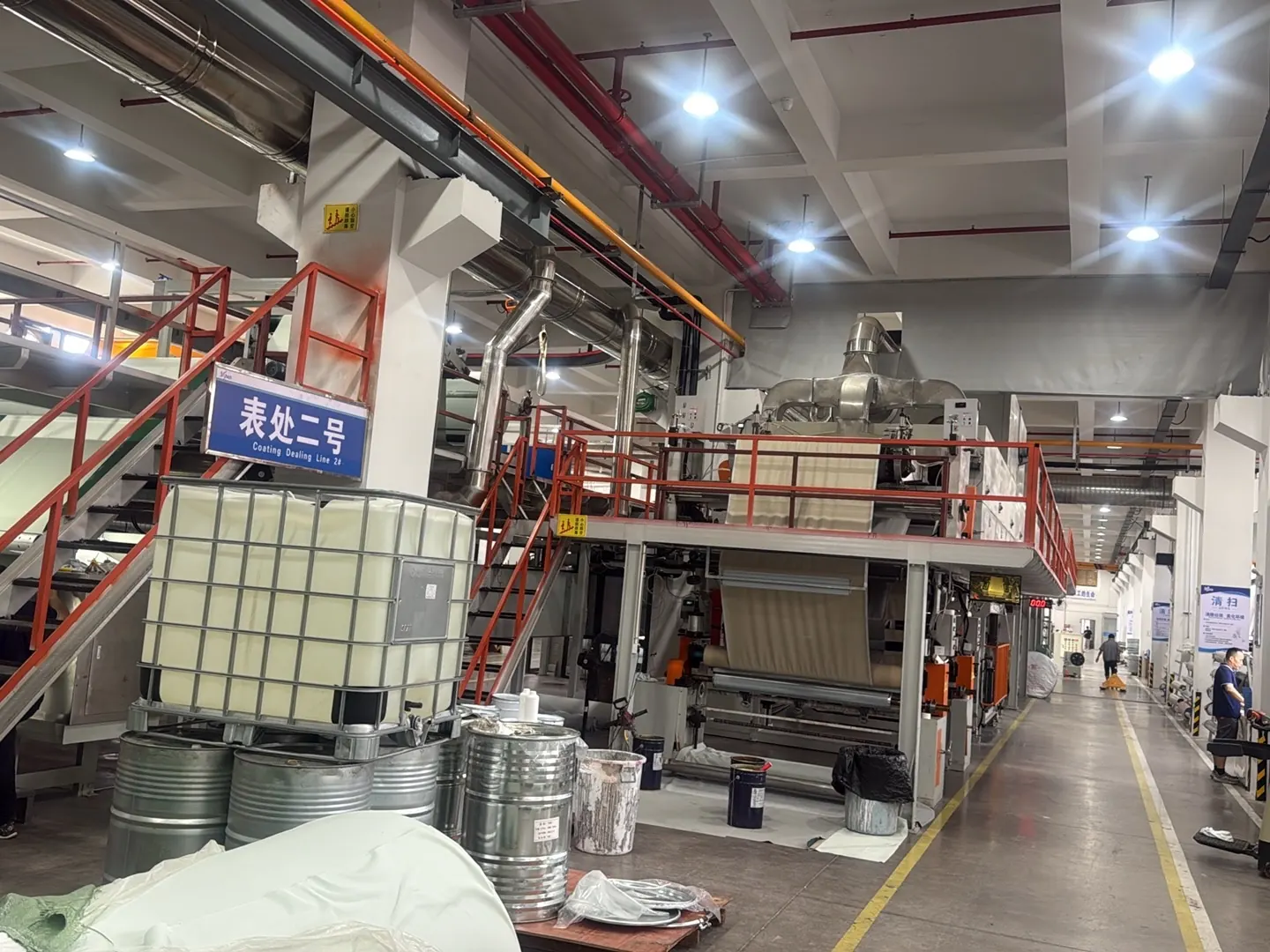
A silicone face and a plastic support can form one decorative film, with each layer doing a different job. Puremorfilm makes decorative film with a silicone functional surface on a thermoplastic film; current stable production uses PET support.
Anchoring components chemically bond the silicone to the plastic, while gradient curing joins adjacent silicone layers into a continuous crosslinked network. The PET and PVC film comparison explains the construction choices; the complete film contains plastic.
Our silicone surface is inherently flame-retardant, with higher grades up to UL 94 V-0 available on request. In the manufacturer’s laboratory tests, coffee, red wine and soy sauce held at 25°C for 24 hours wiped off with no obvious change. The film uses a No DOP formulation.
We supply mainly rolls, with laminated panels available on request, for PUR flat lamination; we do not supply profile-wrapping or vacuum-thermoforming film. This is a new paint-free material with a silicone functional face, distinct from PVC, melamine, PP and PETG decorative faces. Explore the furniture decorative film and decorative wall film applications.
How should you describe silicone accurately?
Name the silicone form first, then describe its structure, behavior and role in the finished product. This gives you a description you can use when comparing a sample or discussing a material with a fabricator.
| Question | Accurate short description |
|---|---|
| Is silicone plastic? | Polymeric silicone fits IUPAC’s broad term for polymeric material; cured silicone rubber is more precisely a thermoset elastomer |
| Is it rubber? | Cured silicone rubber is an elastomer; fluids and resins are other forms |
| Is it a polymer? | Polymeric silicones are; the family also includes shorter oligomers |
| Is it natural? | Silicone is manufactured through chemical synthesis |
| Will it melt? | Conventional cured silicone rubber has a thermoset network and does not remelt for shaping |
| Is it better than a plastic? | Compare named grades for the same property, construction and conditions |
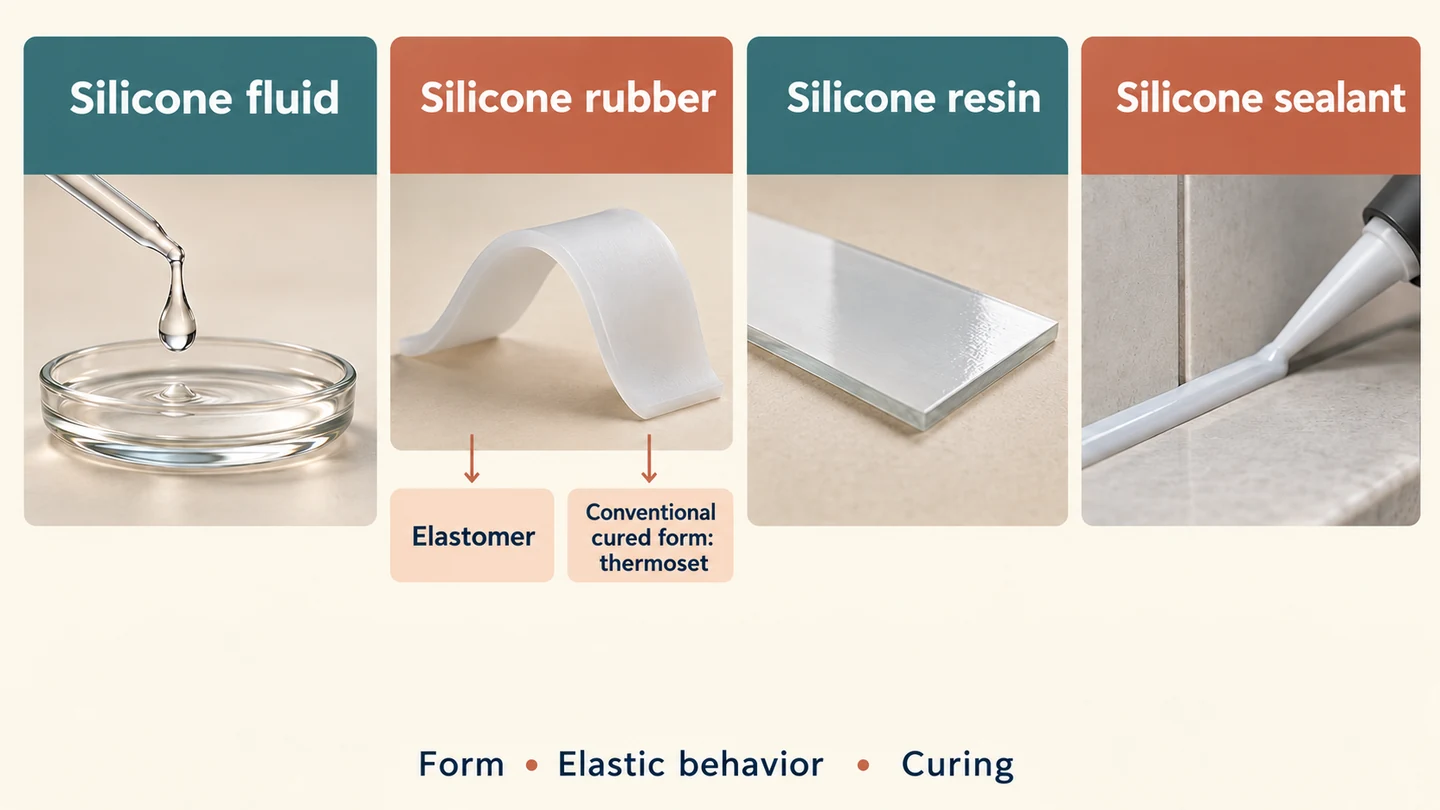
For an elastic part, start with the cured rubber grade and the recovery you need. A coating description should identify the coating and what carries it. For a furniture panel, describe the face, film support, adhesive and board as parts of one construction. This prevents a statement about the surface from becoming a claim about every layer.
We can discuss silicone-faced furniture and wall-panel finishes for flat applications. To explore that route, contact us with the panel’s intended use and the color or texture you want to evaluate.
Frequently Asked Questions
Is silicone used in plastic?
Yes, silicone and plastic can be combined in a product, such as a silicone functional face on a plastic support film. The combination contains distinct materials with different roles.
What are the benefits of silicone?
Silicone rubber provides elastic recovery, while silicone fluids, resins and sealants serve other functions. Useful performance claims must identify the form and the grade, together with the conditions under which the property was measured.
Is silicone a synthetic polymer?
Yes, when you mean a polymeric silicone. The broader silicone family also includes oligomeric siloxanes, whose molecules are shorter, so polymer does not describe every member of the family.
What are plastic and rubber?
Plastic is a general term for polymeric material, often used for materials such as polyethylene and PET. Rubber describes an elastomer that can deform substantially and recover; silicone rubber is one example.
Is silicone better than plastic?
No, not across every use. The useful choice follows from the named materials, the part’s job and the performance being compared; a material suited to an elastic seal may be unsuitable for a rigid component.