
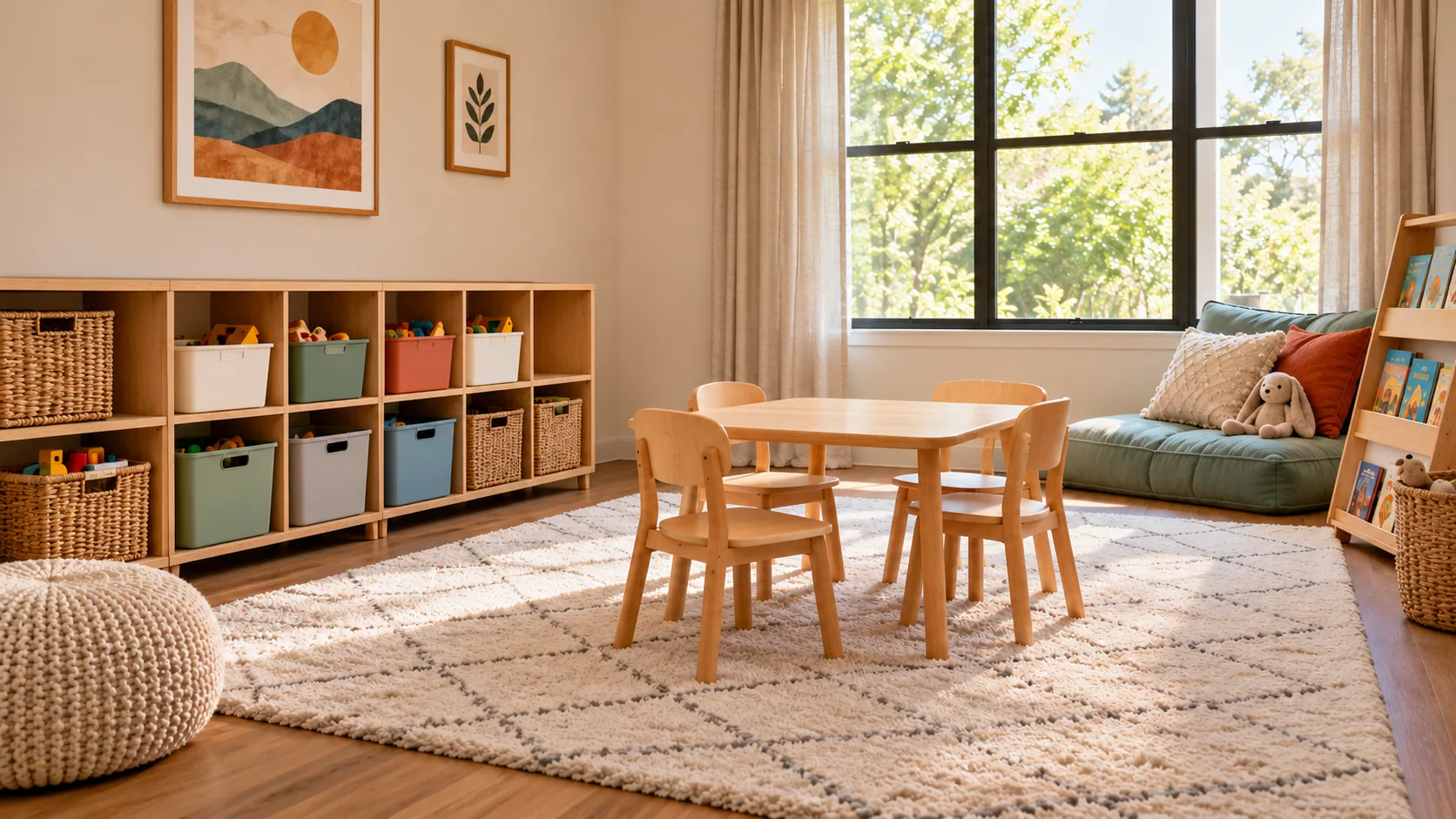
Playroom ideas should give children space to play, storage they can tidy and a separate adult-managed place for older children’s small-piece sets. When children under 3 share the room, use toy age labels to decide what stays accessible and collect loose pieces after play.
Start with the activities your children use now. Books, building, making and pretending need different kinds of space, but they can share a small room. A clear floor and a few storage categories are often more useful than filling every wall with equipment.
What should a playroom include?
A playroom needs open floor, a reading spot, a surface for making or building and storage that supports those activities. Add a pretend-play corner and somewhere for an adult to sit where they fit the household’s routine.
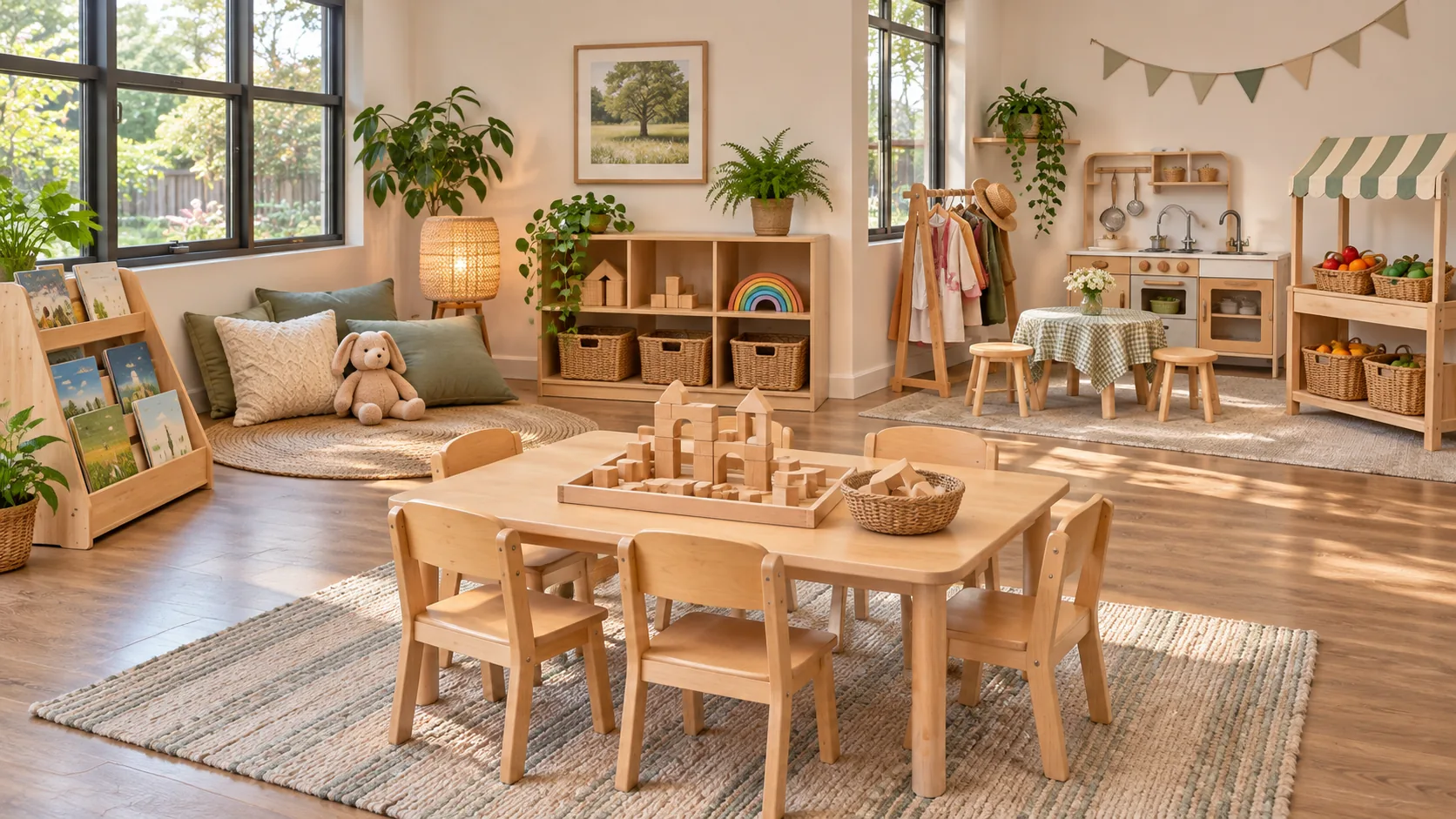
Sharps’ playroom ideas show how several activities can share one room. Nurture and Thrive’s growing-with-your-child approach also starts with useful activity areas. Use the activities as your brief, rather than buying a complete themed room at once.
Draw the largest floor activity first. Then put the storage serving it nearby, with books beside the reading seat and making supplies near the table. Leave space to open cupboard doors and move between activities when a game is spread out.
A quiet reading spot can be a seat and a book basket. A pretend-play area can change roles as interests change. Keep a record of what is actually used before committing floor space to another large piece of furniture.
How do you plan a playroom for children of different ages?
Use a shared selection that suits the youngest child present, with adult-managed activities and storage for older children. Use the chosen toy’s packaging age guidance, then plan both its storage and how its loose pieces return after play.
The CPSC toy-safety advice says to follow the age guidance on toy packaging and to keep deflated balloons away from children younger than 8. It also says to keep small balls and toys with small parts away from children younger than 3, and toys that are a choking hazard for this group must carry age labels, so read the label before a toy joins the shared selection. An older child’s set still needs a defined place and a cleanup routine when a younger child shares the room.
| Toy category | Age check | Access and storage | End-of-play check |
|---|---|---|---|
| Shared everyday toys | Suitable for the youngest child using the space | Low bins children can use | Return each category to its bin |
| Sets with small pieces | The actual package warning and intended user | Adult-managed closed storage for the appropriate activity | Collect loose parts from the table and floor |
| Materials for making | The chosen item’s age and use instructions | Adult-managed supplies where needed | Return tools and unused materials |
| A toy awaiting a decision | Label, condition or suitability still to check | Keep it out of the shared selection | An adult checks it before returning it |
Use it as a household access-and-reset record. Choose an arrangement adults can control while younger children are present. A cupboard door or a high shelf by itself does not settle whether a particular child can reach an item.
Keep attractive toys off tall furniture tops. For a mixed-age room, plan the older child’s activity and the return of its pieces together, instead of relying on a storage position that encourages a younger child to climb.
How should playroom storage help kids tidy up?
Give each shared toy category a low bin or drawer, with labels children can recognise. Keep the arrangement simple enough that a child can return an item without an adult reorganising the whole unit.
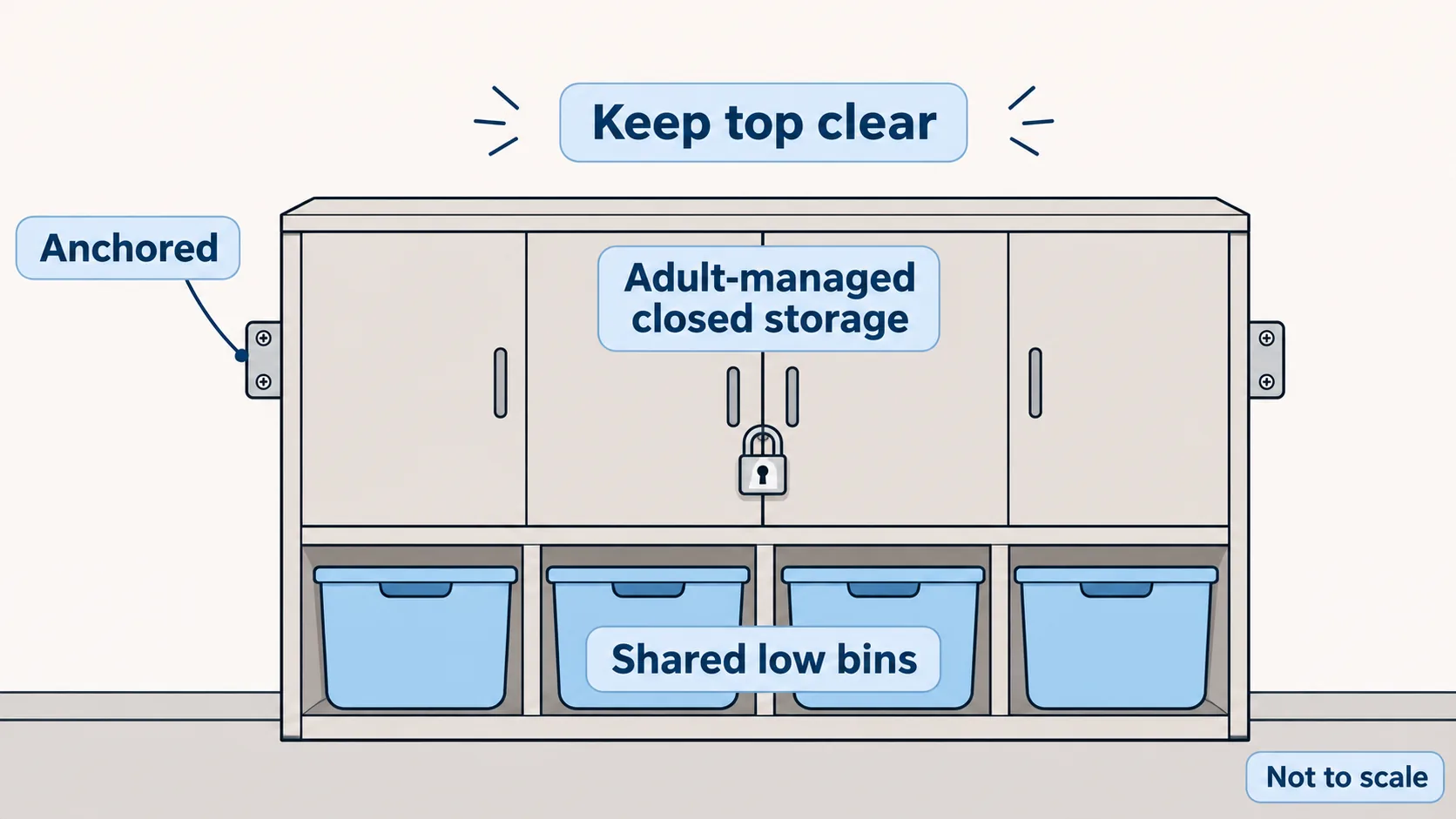
Cubes, drawers and cupboards suit different contents. A shallow bin can work for a frequently used category, while a larger set may need its own container. Compare the size of the contents with the opening and the way the child will carry or use the container.
The Anchor It guidance recommends securing furniture according to instructions and keeping tempting items off furniture tops. Include that work when planning the room. Fitted storage also needs its actual design, installation and anchoring requirements checked.
Rotate a portion of the toys into adult-managed storage when the shared selection becomes difficult to use or tidy. Keep the returning toys in the same categories. Rotation should make the open play area more usable, not create a new pile of boxes beside it.
How do you make a small playroom work?
Put fewer toys out at once, use storage that suits the wall and choose furniture with a clear place when it is not being used. A small room works better when a table, chair or large toy can change position without blocking the remaining floor.
Sharps’ small-room advice favours a limited selection of toys, with others rotated in as interests change. Before buying another unit, check whether a different arrangement of the existing pieces provides the needed storage.
Keep a foldaway table or movable seat only if there is somewhere to put it. For a shared living area, decide what gets packed away and where it goes before planning the decorative scheme. A storage bench can serve more than one task when its construction and use instructions suit the intended users.
Use a material board when commissioning storage fronts. A physical finish sample beside the room’s rug, wall colour and table is more useful than comparing screen images from unrelated lighting conditions. The drawing should show both the finished appearance and the space needed to use the furniture.
Which colours and styles suit a playroom?
A neutral base or a brighter scheme can both work; choose the one that fits the home and leaves the activities easy to see. Put more of a short-lived theme in replaceable art and textiles if you expect preferences to change.
Published playroom ideas range from restrained, Scandinavian-inspired rooms to bright paint, patterned rugs and themed corners. Those are different visual choices, not evidence that one style produces better development. A pattern that hides marks also needs a suitable cleaning method.
Use the interior design colour palette to compare the fixed surfaces with the colours already present in toys and artwork. A busy collection may need fewer competing decorative elements. A quieter collection can leave room for a stronger wall colour.
Display children’s artwork where it can be changed without rebuilding the room. A washable or replaceable textile can also make a themed corner easier to update. Compare the feel as well as the colour, using tactile interior design to organise physical sample checks. Keep the choice tied to the actual household, available space and care instructions.
How do you keep a playroom easy to clean and reset?
Clean according to the item and its maker’s instructions, with additional disinfection considered when someone is ill or at higher risk. Plan washable or cleanable components separately from the question of where toys are stored.
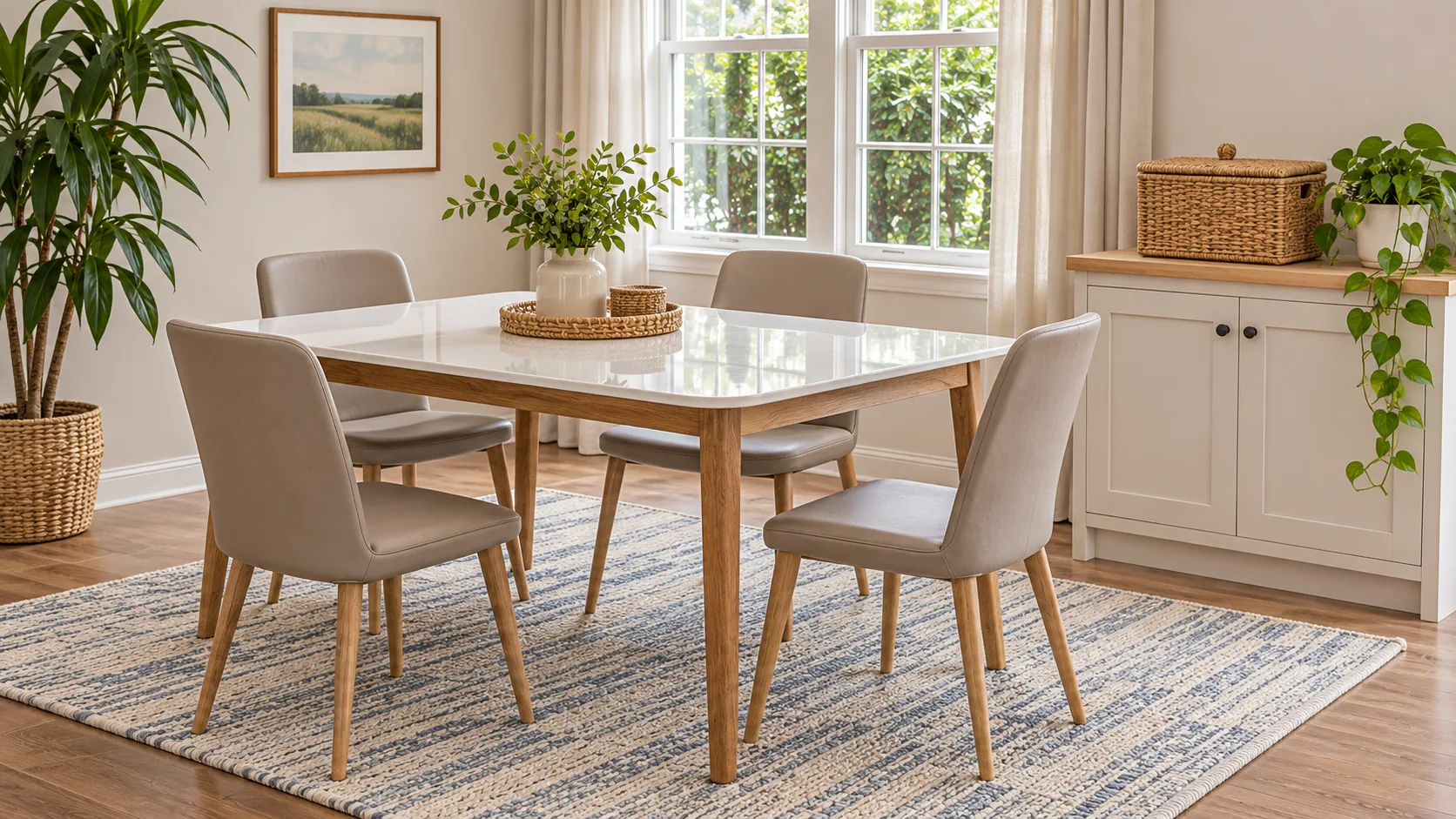
The CDC household cleaning guidance, dated January 31, 2025, explains that cleaning removes most germs, dirt and impurities, and treats cleaning, sanitising and disinfecting as different tasks. It says sanitising or disinfecting at home is likely not needed unless someone in the home is sick, and it adds disinfection when someone is sick or at higher risk of getting sick because of a weakened immune system. Store cleaning and disinfecting products out of children’s reach.
| Item | Routine decision | If extra disinfection is needed | Before returning to storage |
|---|---|---|---|
| Washable hard toy | Use its maker’s cleaning method | Check the product label and the toy’s compatibility | Let it dry and check for loose pieces |
| Textile or soft toy | Follow its washing and drying instructions | Confirm the permitted method for that item | Return it when properly dry |
| Electronic toy | Follow the device maker’s directions | Check that any proposed product and method are allowed | Keep the item ready for its intended use |
| Table or cabinet face | Follow the instructions for the actual finish | Confirm both label contact time and finish compatibility | Remove cleaning materials from the play area |
The table is our item-by-item planning record. Record the permitted product and method for each item before choosing a cleaning supply. Put items awaiting cleaning in a collection basket until they can return to ready-to-use storage.
Choose washable covers and rugs using their actual care information. Evidence for stain-resistant furniture surfaces answers a different question from whether a finish tolerates a household disinfectant. The discussion of healthy interior materials can help organise the wider evidence you request for a new fitted unit.
Where does silicone-faced film fit in playroom storage?
Puremorfilm supplies decorative film with a silicone functional face for furniture makers finishing flat cupboard or built-in storage fronts. It provides a paint-free alternative to PVC, melamine, PP and PETG decorative faces. The children’s furniture film is supplied mainly as rolls, with panels on request, and applied by PUR flat lamination; standard film has no back adhesive.

In the manufacturer’s laboratory stain tests, coffee, soy sauce and red wine remained at 25°C for 24 hours, then showed no obvious change after wiping. The formulation is No DOP. The silicone face is inherently flame-retardant, with higher grades up to UL 94 V-0 available on request; this does not rate the storage unit.
Keep this facing off toys and mouthing parts. With its leather-like feel and some elasticity, it is not for play floors or other walked-on areas, stovetop counters or shower floors. None of these facts shows that the film is safe for children to mouth or that it tolerates a household disinfectant, and the film is not a DIY sticker.
Which playroom setup fits your family?
Choose the storage and floor arrangement for the ages using the room now, with space to change activities later. Keep the shared selection manageable and give an adult responsibility for anything outside it. We can provide finish samples for professionally made flat storage fronts.
| Household or room | Storage arrangement | Rotation and reset priority |
|---|---|---|
| Younger children sharing the same activities | Low shared bins for suitable toys | A small selection with recognisable homes |
| Older children and younger siblings | Shared selection plus adult-managed storage | Collect the older child’s loose pieces after use |
| Small or multipurpose room | Storage beside the main activity area | Pack away the activity before changing the room’s use |
| Interests changing as children grow | Table and storage that can change roles | Replace the contents before replacing useful furniture |
Bring the storage drawing, intended appearance and maker’s requirements when you contact us.
Frequently Asked Questions
How do you organize a cluttered playroom?
A cluttered playroom needs a defined bin or drawer for each category and a smaller selection of toys out at once. Return the other toys to adult-managed storage and rotate them when useful. Keep the floor available for the activities children actually use.
How can you decorate a playroom on a budget?
Children’s artwork, a considered paint colour and useful existing furniture can form the scheme. Compare a multifunctional piece with the jobs it must perform before buying it. A new decorative item should have an assigned place in the room.
How do you make a playroom grow with your child?
A playroom grows with changing interests when the table and storage can serve new activities. Review the contents, access and arrangement as the children’s ages change. Keep useful pieces when they still suit the job.
What playroom ideas work for toddlers?
Open floor, low labelled bins and a small selection of age-appropriate shared toys work for toddlers. Choose toys using their actual labels and instructions. Keep older children’s small-piece activities under adult management.
What should a playroom for older kids include?
A useful work table, a comfortable seat and storage for more involved activities can support older children. Where younger siblings share the room, plan separate access to sets with small pieces and a complete return-of-parts routine.