
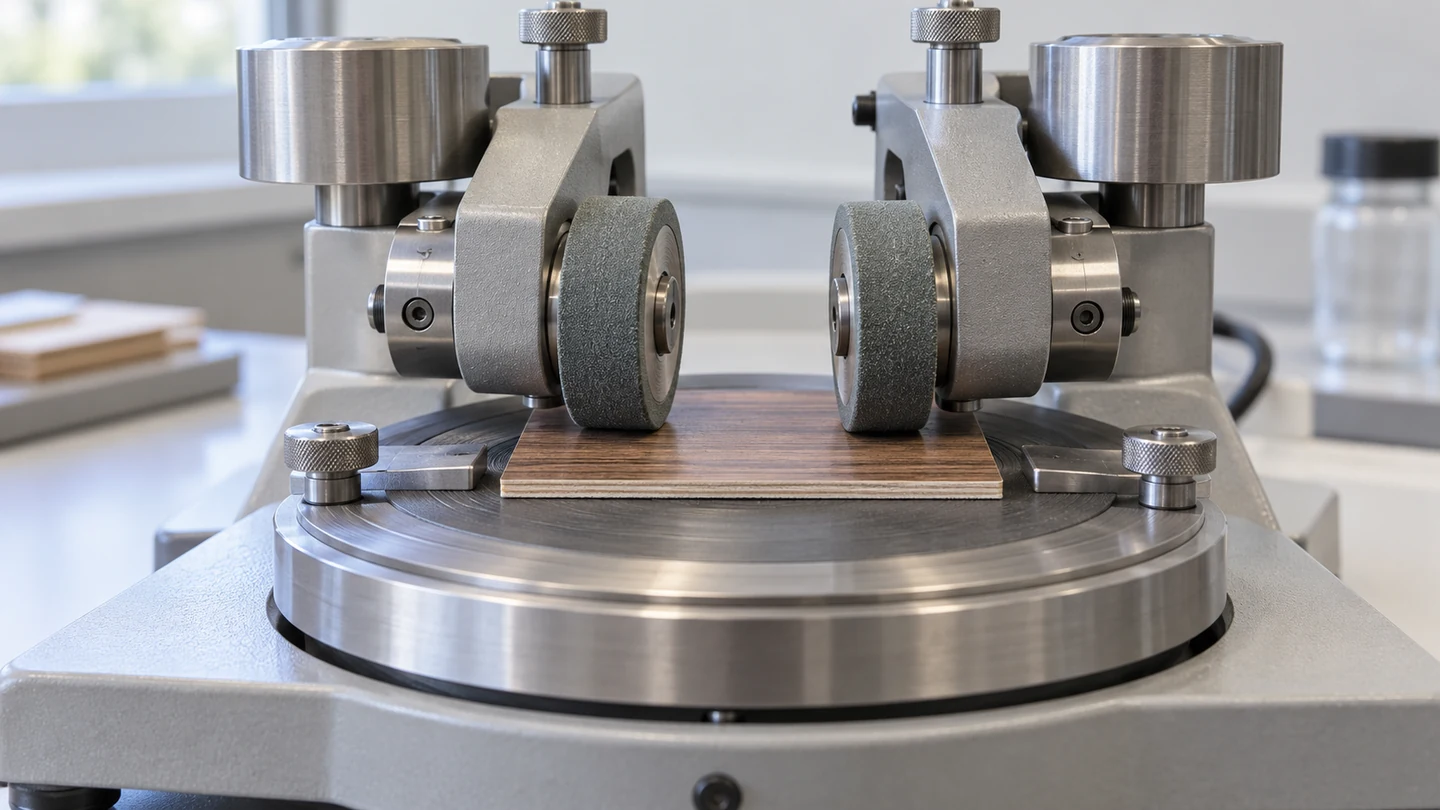
The AC number on a box of laminate flooring comes from one controlled wear test, and it is worth knowing what that test did before you choose a floor for a hallway or a shop. In the abrasion resistance test for laminate flooring, abrasive paper on two weighted wheels wears a spinning specimen until the printed decoration shows defined visible wear, called the Initial Point (IP).
Under the EPLF’s account of EN 13329:2016, the average IP of three specimens places the floor in a class from AC1 to AC6. A higher class means more resistance to that wear-through process. It does not convert into years of service, and it does not measure scratches from grit or pet claws.
HPL sheets, coated cabinet faces and floor microscratch tests use other methods and endpoints. A large cycle count from one of them cannot be read against an AC class.
How is abrasion resistance tested on laminate?
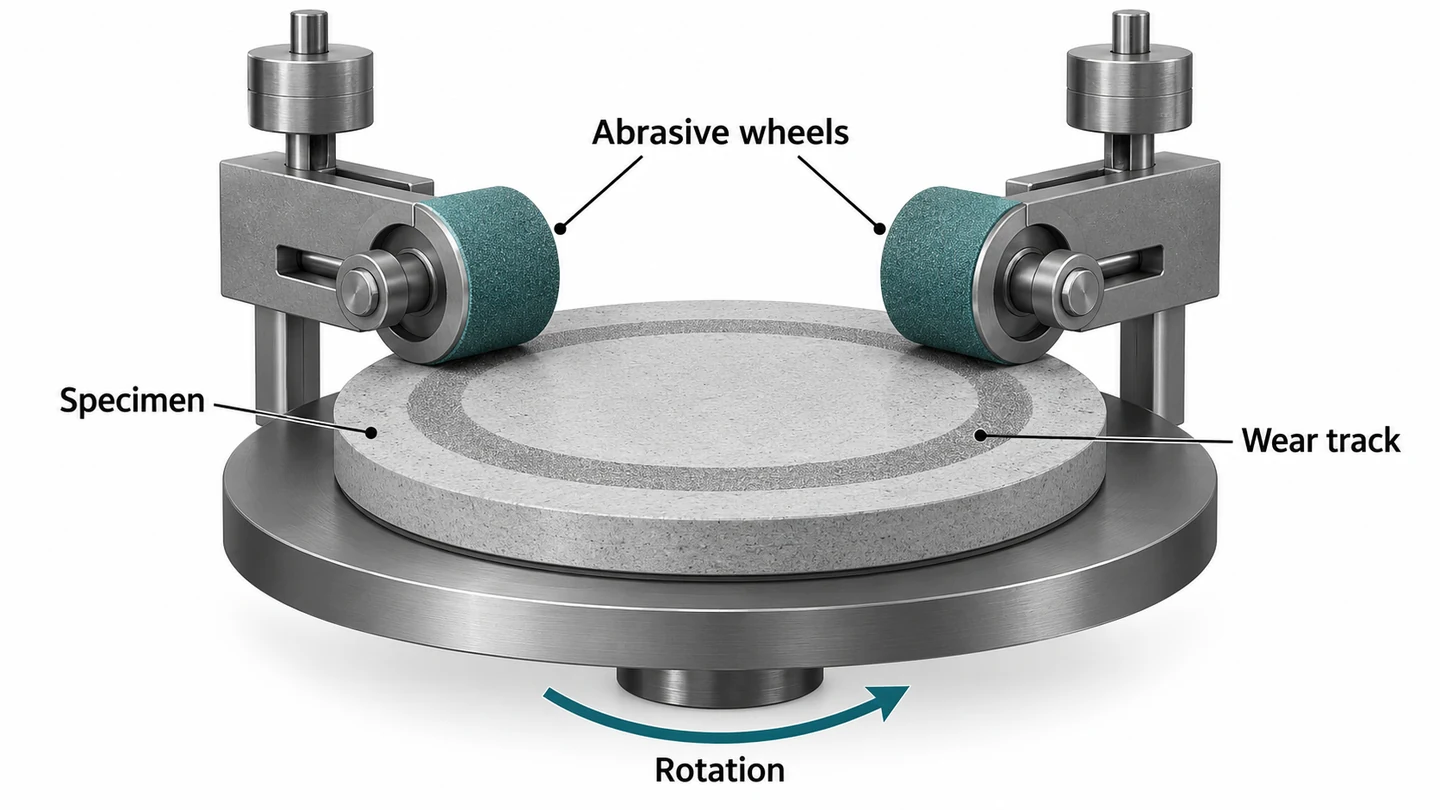
Laminate flooring is tested on a rotary platform abraser: the specimen turns beneath two weighted wheels faced with abrasive paper until a defined wear point appears. As a result, the test speeds up one kind of surface wear so floors can be ranked under the same conditions.
The flooring association’s 2016 explanation of the test describes the wheels cutting an annular wear track of up to about 30 cm², divided into four quadrants. Then, IP is reached when specified visible wear shows on the printed decoration in at least three of them. The decoration itself is being worn away; nothing new is uncovered underneath.
Those details come from the 2016 edition. The BSI catalog identifies EN 13329:2023 as the current edition, so read the procedure and class against the edition printed on the report in front of you.
| Surface and test family | What is assessed | What to read beside the result |
|---|---|---|
| Laminate flooring, EN 13329 | Abrasive wear of the decorative surface | Version, Initial Point and abrasion class |
| HPL sheets, EN 438-2 | Properties under the specified test method | Method, wear endpoint and reported result |
| Organic coating on a rigid flat substrate, ASTM D4060 | Rotary-platform abrasion | Wheel, load, cycles and result basis |
| Laminate flooring, EN 16094 | Microscratching and its visible effect | Method and appearance classification |
For a hallway floor, then, the AC class is one part of the evidence. For a cabinet door, start from the method written for that surface. However, two tables can both say Taber and still describe a different abrasive, specimen or endpoint.
What do the Initial Point and Final Point mean?
IP is the start of defined visible wear on the decoration, and FP (Final Point) is the stage where the decoration is almost gone. An average of the two sits between them, so it is a different number from the IP result behind an AC class.
One flooring supplier’s wear-resistance explanation calls that average the Average Taber, or AT, calculated as (IP + FP) ÷ 2. Its procedure inspects the specimen after each 100 revolutions and changes the abrasive paper after each 200. Those intervals are that supplier’s published description; your report’s named method and edition decide the actual procedure.
For example, the same page gives one floor an AC4 class and an AT of 10,500–11,000 under its cited HPL method. However, that figure belongs to that product and that endpoint. It is not the IP threshold for AC4.
So check the column heading before the value. If one brochure quotes IP and another quotes an average that includes final wear, the second will look bigger before any material difference comes into play.
Similarly, this habit helps when reading cabinet surface durability tests. A surface that resists gradual wear can still react differently to a sharp scratch, a cleaning chemical or a hot pan. Match the reported property to the damage you want to avoid.
Which AC class suits a busy home or a commercial room?
AC3 is the class described for heavy residential use and moderate commercial rooms such as a small office; general commercial spaces such as offices, restaurants and boutiques start at AC4, and AC5 covers heavy commercial traffic. Those traffic descriptions are where the choice starts. In addition, the floor needs the right moisture, joint and scratch performance for the room.
The rotary-abrasion equipment maker’s laminate-flooring case study gives these application descriptions.
| Abrasion class | Application description in the case study | Example of the decision it helps make |
|---|---|---|
| AC1 | Moderate residential use | A lightly used bedroom |
| AC2 | General residential use | A living or dining room |
| AC3 | Heavy residential or moderate commercial use | Busy household circulation or a small office |
| AC4 | General commercial use | An office, restaurant or boutique |
| AC5 | Heavy commercial use | A department store or public building |
Meanwhile, AC6 sits above AC5 in the later classification the association describes. Cycle thresholds printed in flooring marketing tables are sellers’ figures, so they are left out here.
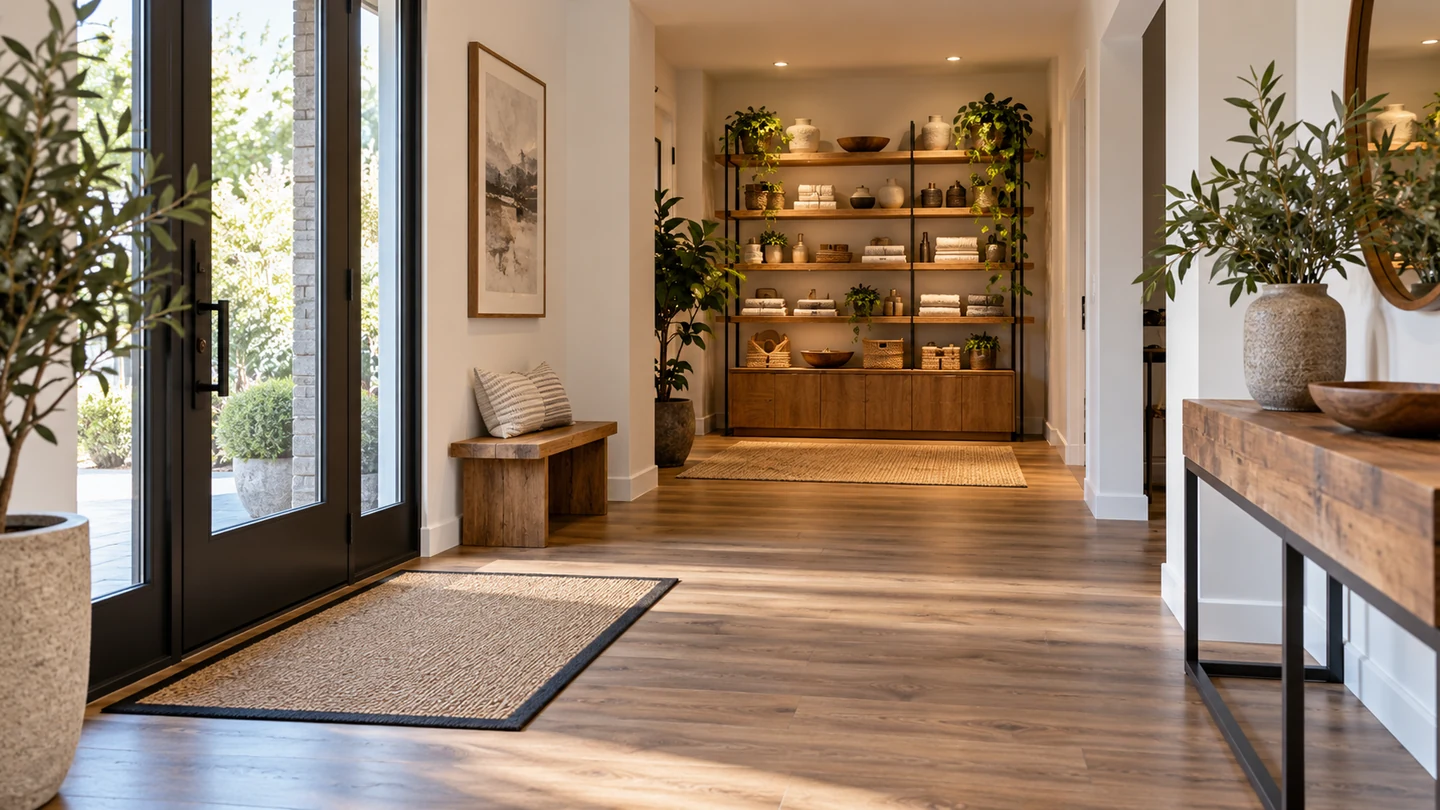
For example, at an entrance, tracked-in grit does most of the wearing, so the traffic class matters most there. Meanwhile, in a kitchen, the floor’s moisture provisions count as much as its class. In a shop, match the commercial specification and the expected movement of people and furniture.
However, pets are a separate question. Claws and grit leave scratches, and the AC test is not built to find them: it keeps running until the decoration wears through, well after a specimen could first pick up a scratch. In a home with dogs, ask for scratch evidence alongside the AC class.
Why can’t you compare AC ratings with other abrasion numbers?
Because the abrasive, load, specimen and endpoint all change what is measured: an IP class, an AT value and a coating’s mass loss answer three different questions. Line up the test conditions first, and compare numbers only where they match.
For HPL, EN 438-2:2016+A1:2018 is a collection of property test methods. Find the specific test and endpoint on the report before assuming the figure is AT. The melamine vs laminate comparison explains how those decorative surfaces differ.
For organic coatings on a flat, rigid substrate, ASTM D4060-25 sets a rotary abrasion method. The wheel, load, cycles and result basis on the report define what its value means, and a visible change noted after a chosen number of cycles describes that exposure only.
In addition, laboratory work surfaces add a third route. SEFA 3-2020, section 2.2 lists abrasion and scratch references by work-surface material, including NEMA LD 3 references and ASTM C501. Each listed test belongs to its own material family.
Therefore, when two reports cover the same furniture use, set the specimen construction, edition, abrasive, load, endpoint and units side by side. Where they match, compare the numbers. Where they differ, describe each result in its own terms. The cabinet surface test guide walks through that reading without turning floor classes into cabinet ratings.
Does a deep texture make a laminate floor wear out faster?
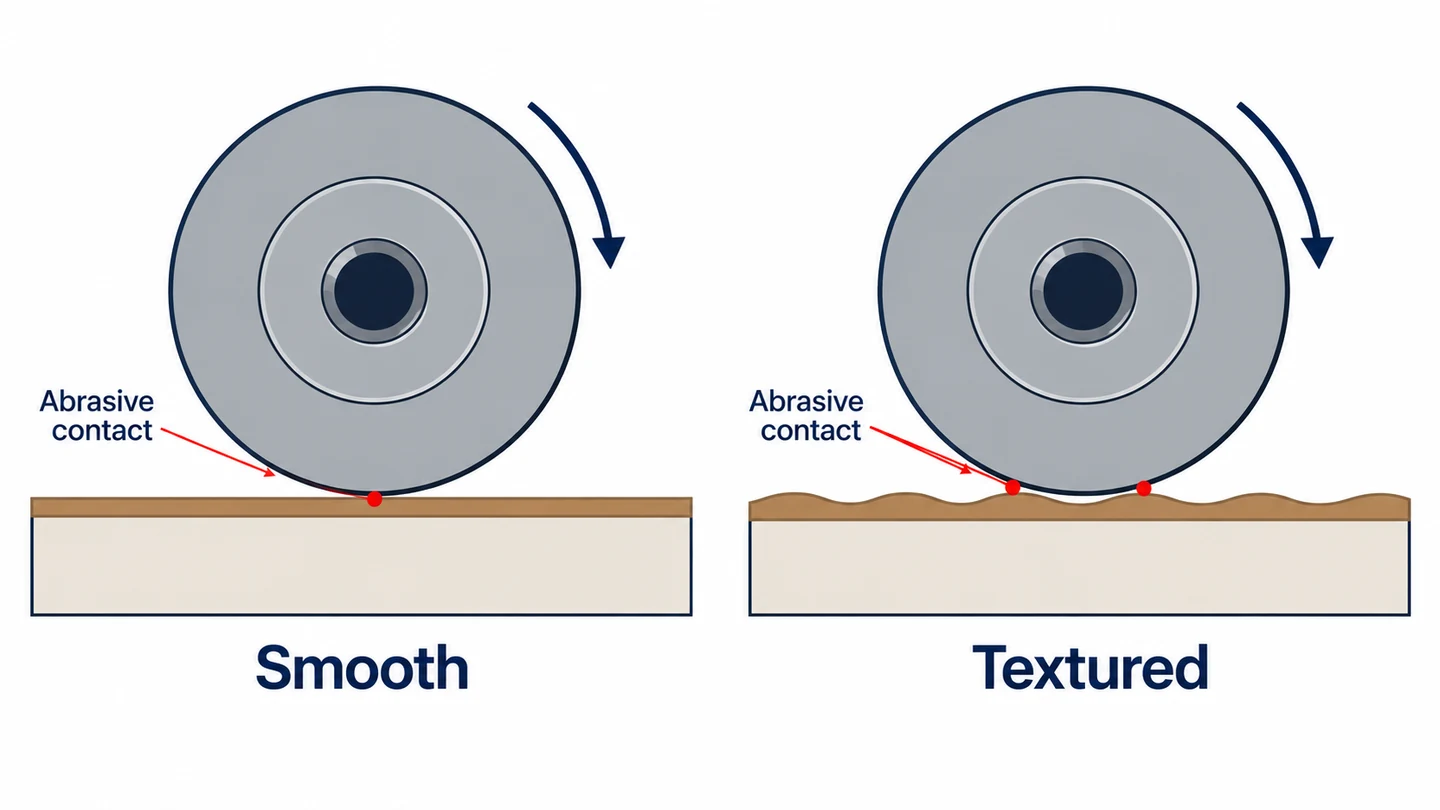
Not necessarily. Deeply textured samples scored lower under the standard laboratory approach, but field comparisons in an EPLF-supported study did not show them wearing faster. Because the abrasive meets the raised parts of the texture first, the test develops differently.
The study, reported in 2016, ran at IHD from June 2013 to November 2015 and looked at an alternative evaluation meant to bring laboratory results closer to observed use. However, its findings cover the constructions tested. They do not show that every textured floor outlasts a smooth one or that the proposed procedure entered the current standard.
Therefore, if you like a deep wood-grain floor, a modest class on its box may understate how the tested kind of texture behaved underfoot. Read its wear and scratch reports together, and treat the texture as the appearance choice it is.
Is abrasion resistance the same as scratch resistance?
No. Abrasion is wear from repeated rubbing; a scratch is a mark from a different kind of contact, and a surface can do well in one test and less well in the other.
Laminate floors have a separate EN 16094:2021 standard for microscratching. In contrast, furniture has EN 16611:2023 for rigid surfaces, whose scope excludes leather and textile finishes.
An equipment technical article on abrasion and microscratching describes multidirectional rubbing on a Martindale-type rig with abrasive pads, followed by a visual grade. However, it cites an older CEN technical specification; EN 16611:2023 is the current furniture document.
For example, for a glossy floor that shows fine marks near a window, a microscratch result speaks to that worry more directly than a wear-through class. A pencil-hardness test measures yet another defined response under its own conditions, and it does not stand in for either.
Similarly, when you compare scratch-resistant kitchen cabinet surfaces, finish, use and cleaning exposure decide the result. A floor’s AC value cannot rank cabinet finishes or name the most scratch-resistant flooring brand.
Where does a silicone-faced furniture film fit?
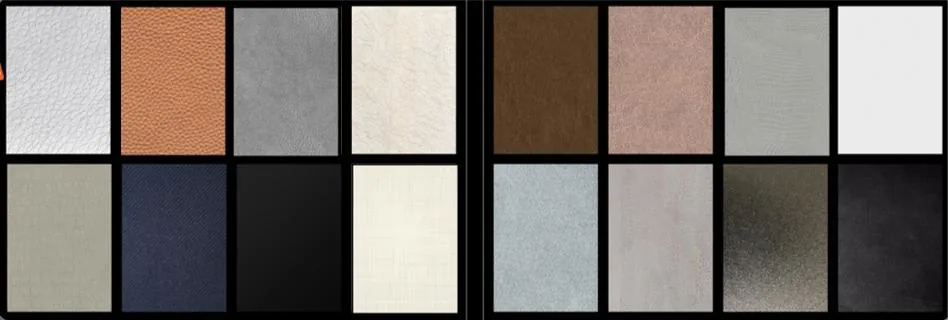
Puremorfilm makes silicone-faced decorative film for flat-laminated furniture and wall panels. It is not for floors, stovetop counters, shower floors or other walking surfaces: the surface has a leather-like feel and some give. SGS tested a submitted film sample to ASTM D4060-25 with CS-10 wheels, 1,000 g per wheel and 60 rpm; after 2,000 cycles it showed only slight matting, with no exposed substrate or coating peeling. That is a coating-method result, not an AC flooring class.
The silicone surface is inherently flame-retardant, with higher grades up to UL 94 V-0 available on request. In the manufacturer’s laboratory tests, coffee, red wine, soy sauce and lipstick left on the surface for 24 hours at 25°C wiped off with no obvious change. We use a No DOP formulation. Our main supply is rolls for PUR flat lamination, with film-faced panels available on request.
This newer paint-free surface uses silicone functionality, distinct from PVC, melamine, PP and PETG decorative faces.
The furniture decorative film page covers rigid-panel applications.
How should you read a laminate abrasion test report?
First, read the standard, specimen and endpoint, then the class or cycle count, and finally match the property to your room and the damage you expect.
| Report field | What it should tell you |
|---|---|
| Standard and edition | Which method and version produced the result |
| Specimen | The tested construction, surface and support |
| Abrasive, load and exposure | How the wear was applied |
| Endpoint and units | Initial wear, final wear, average, mass loss or another stated outcome |
| Application | Whether the evidence addresses the intended traffic or furniture use |
When several reports come with a material offer, a supplier evaluation checklist keeps the comparison in order. For a furniture-panel finish, contact us with the application and the reports or test methods you want compared.
Frequently Asked Questions
How do you test for abrasion resistance?
A rotary platform abraser wears the specimen with abrasive wheels until a defined endpoint, and the revolutions to that point are recorded. For laminate floors the endpoint is the Initial Point on the printed decoration; coatings and HPL sheets use their own methods.
What is the ASTM standard for abrasion resistance testing?
ASTM D4060 is the usual ASTM rotary abrasion method, written for organic coatings on a flat, rigid substrate. Laminate-floor AC classes come from the European standard EN 13329, and HPL sheets have their own methods.
What is the most scratch resistant laminate flooring?
Choose the laminate floor with the best microscratch result among the products you compare; the highest AC class measures a different kind of wear. AC measures wear-through, so it cannot pick out the floor that best resists fine visible scratches.
Which AC class is suitable for heavy traffic?
AC4 suits general commercial traffic and AC5 heavy commercial traffic; AC3 is the class described for heavy residential use. The room’s moisture and joint demands still apply.
Does a higher AC rating mean the floor lasts longer?
No. A higher class means more resistance in the abrasion assessment, but wear cycles do not translate into years. Moisture, grit, joints, cleaning and other damage often decide when a floor needs replacing.