
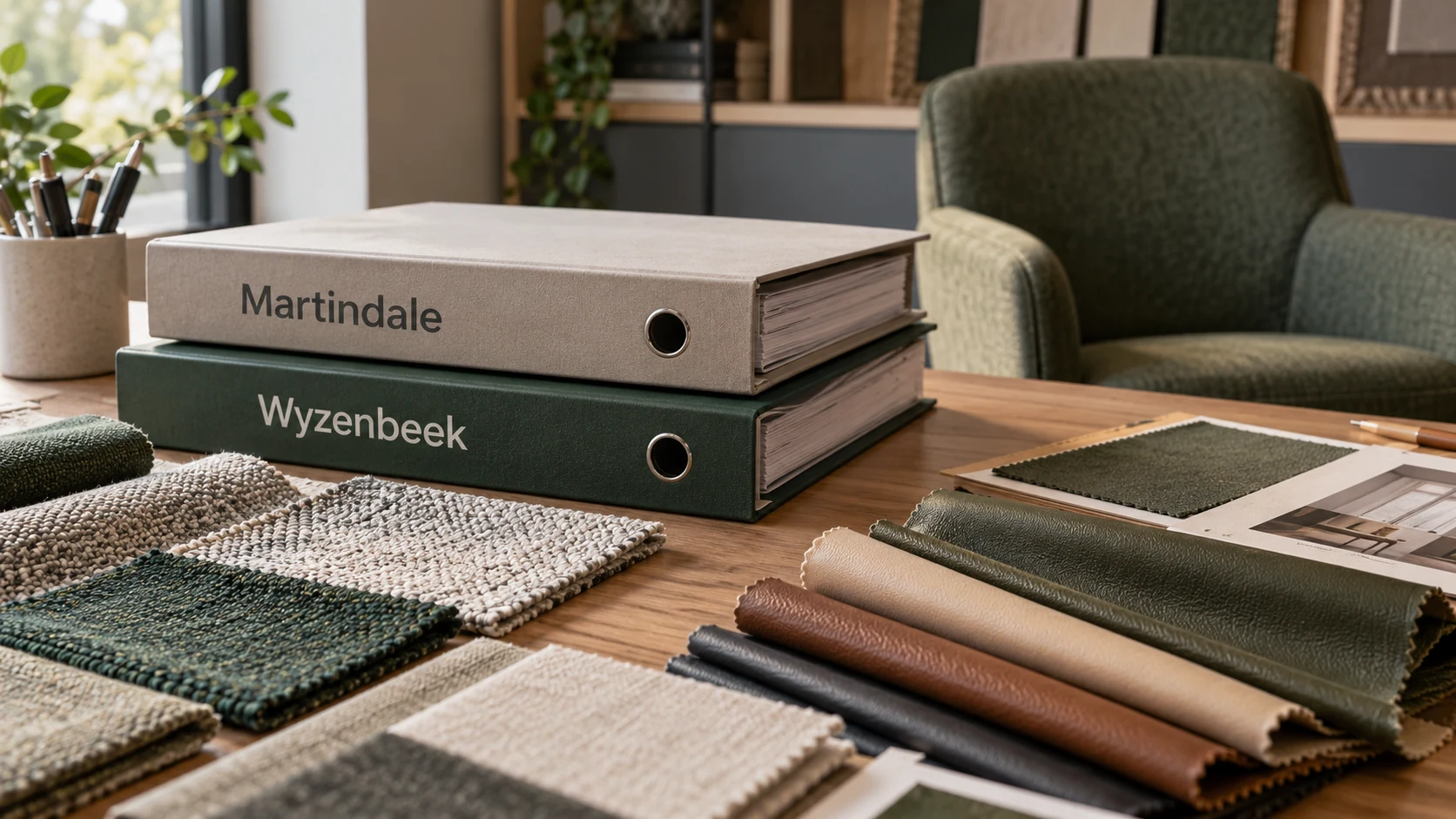
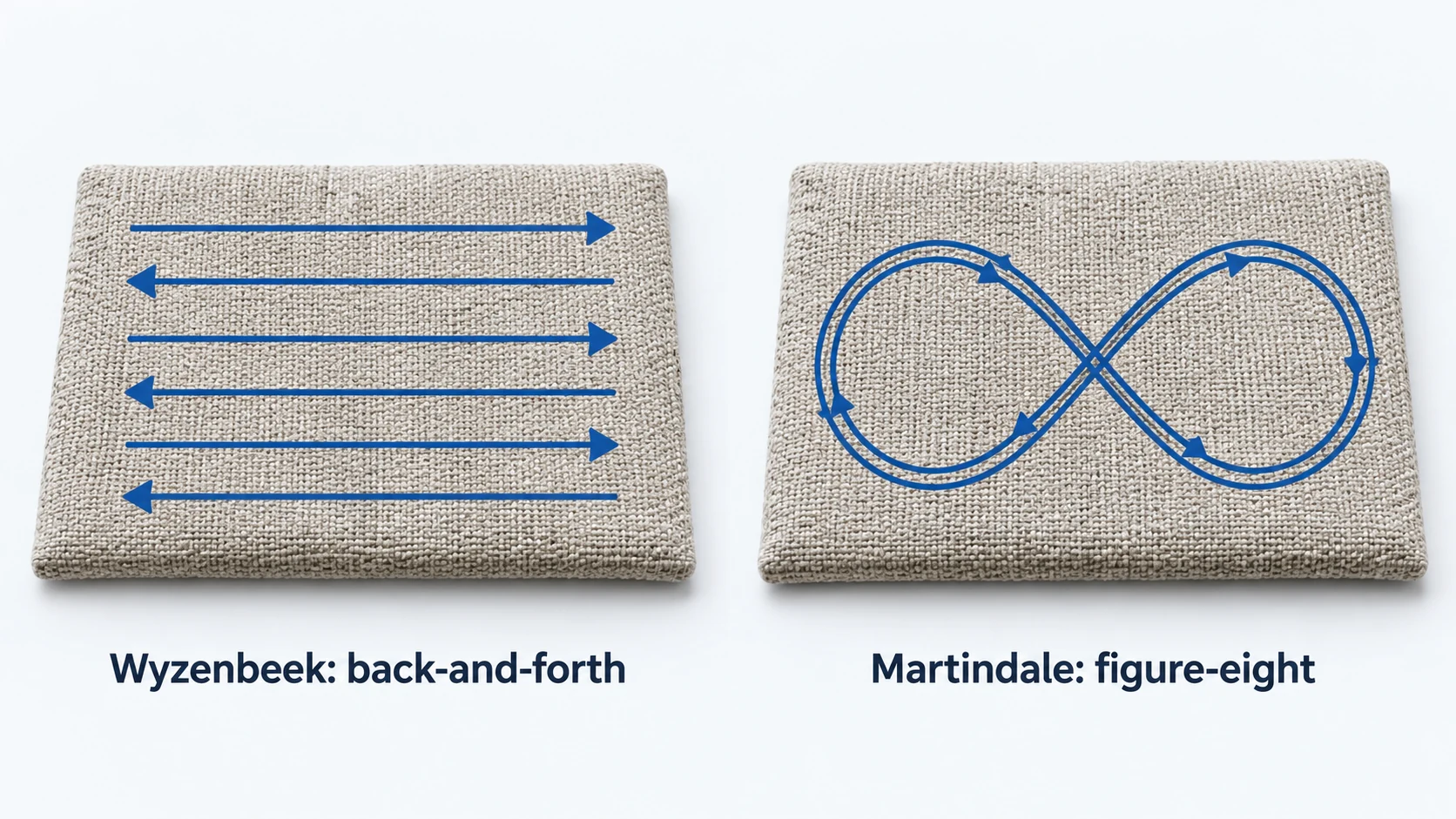
A Martindale vs Wyzenbeek comparison puts two upholstery abrasion tests side by side, and they differ in movement, abrasive and counting unit. Wyzenbeek rubs a tensioned sample back and forth and reports double rubs. Martindale moves worsted wool across a flat sample in a figure-eight path at 12 kPa and reports cycles. Their results cannot be converted into each other, so a larger number from one method does not automatically identify the more durable fabric.
For a sofa specification, start with the material construction and the intended use. A woven fabric and a silicone-coated fabric belong to different performance guidelines, even when both are being considered for the same hotel seat.
Martindale vs Wyzenbeek: what is the difference?
Wyzenbeek measures resistance to repeated back-and-forth rubbing; Martindale measures resistance to multidirectional rubbing. The differences extend beyond the shape of the movement to the abrasive, specimen mounting and endpoint.
The comparison below follows the Association for Contract Textiles’ February 2025 guidance for woven indoor upholstery. Coated upholstery has its own guidance, discussed later.
| Test detail | Wyzenbeek | Martindale |
|---|---|---|
| ASTM method | D4157; current public listing D4157-13(2022) | D4966; current public listing D4966-22(2026) |
| Motion | Back and forth | Multidirectional, figure-eight or Lissajous pattern |
| Abrasive in the woven guidance | ACT-approved #10 cotton duck; wire screen is an option for specified constructions | Standard worsted wool |
| Specimen and loading | Fabric held under tension; 3 lbf pressure and 4 lbf tension | Flat fabric specimen; 12 kPa pressure |
| Result unit | Double rubs | Cycles |
| Endpoint described in the woven guidance | Two yarn breaks or noticeable wear | Appearance changes such as yarn breaks, pilling or holes |
The woven abrasion method document explains these conditions. The current public D4157 listing and D4966 listing identify the method editions; the endpoint descriptions in the table come from the woven guidance and may not fit other constructions.
For furniture containing both upholstered seats and rigid panels, keep the reports attached to the relevant component. An abrasion resistance test for laminate answers a different surface-wear question.
How does the Wyzenbeek test work?
A fabric specimen is held under tension while an abrasive rubs back and forth over it. One complete outward-and-return movement is one double rub, and the result records the count reached under the specified test conditions.
The woven guidance uses specimens taken in the warp and weft directions. These are the lengthwise and crosswise directions of the woven fabric. Reading both matters when the material behaves differently along those directions; an isolated number without its sampling information leaves the comparison incomplete.
Cotton duck is the usual abrasive in this guidance. However, wire screen can be used for particular materials, including woven fabrics with low-melting fibers. The method description specifies the loading and the alternatives. Therefore, a cotton-duck result and a wire-screen result should retain those labels when they appear on the same shortlist.
For a sofa factory reviewing samples, the useful question is how the offered fabric performed with the stated abrasive and endpoint. A supplier’s headline count is easier to assess when the laboratory report shows those fields beside the result.
How does the Martindale test work, and what does the count measure?
Martindale rubs a flat specimen against worsted wool in a multidirectional path and records cycles against a defined appearance endpoint. The load is the fixed pressure shown in the comparison table.
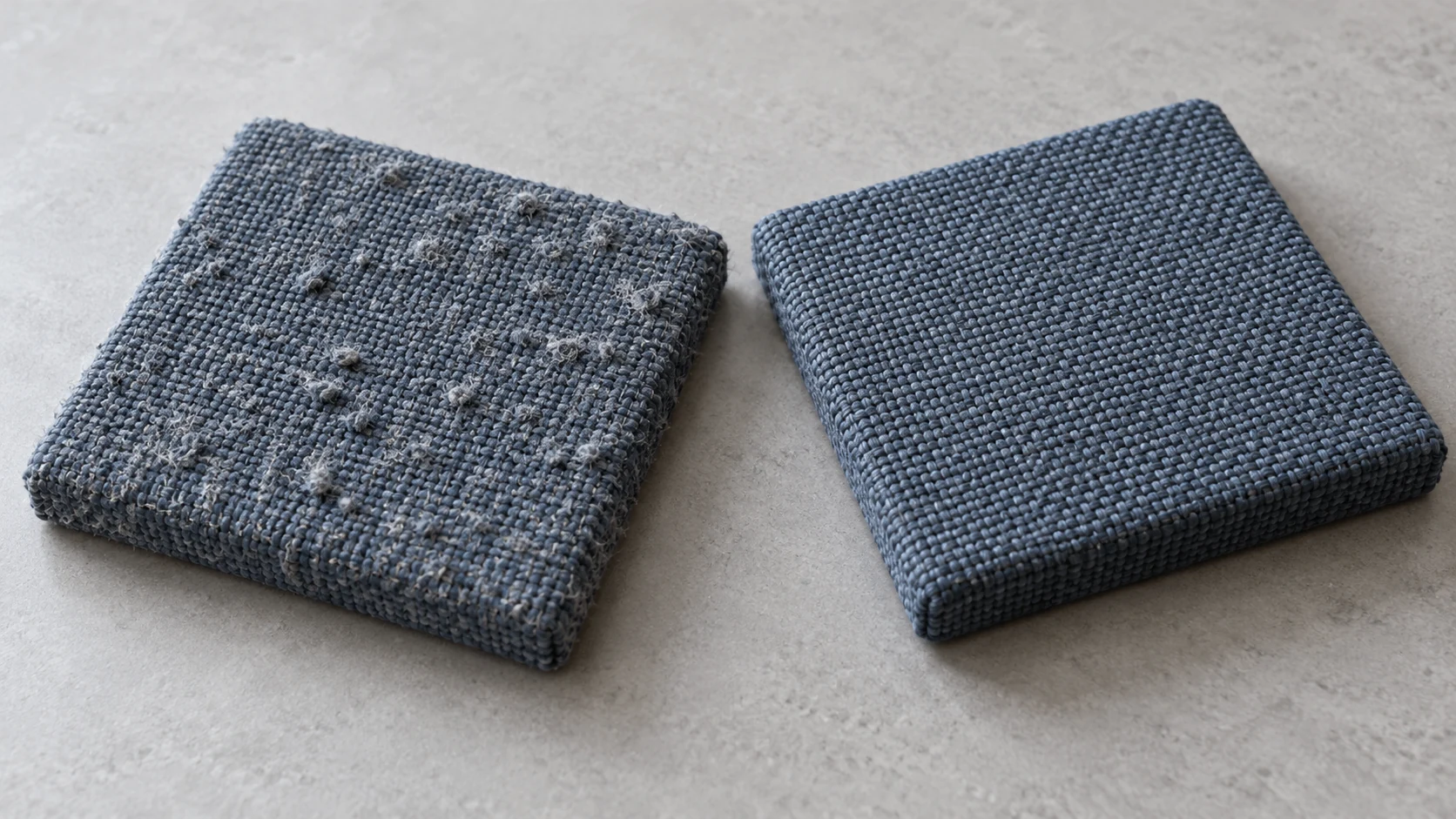
The movement spreads rubbing across different directions instead of repeatedly following one straight track. During the test, the specimen is examined for the changes specified by the method, such as broken yarns, pilling or holes. The resulting count describes how far that specimen progressed before the chosen endpoint or inspection stage.
Read the endpoint alongside the count. A report that records the appearance after a nominated number of cycles answers a different question from a report that continues until a defined failure. Ask whether the result means “tested to this point” or “the endpoint occurred here.” That distinction is particularly useful when two suppliers both quote a round number.
The February 2025 method guidance provides the basis for this reading. For a reception sofa, it helps you compare the actual evidence instead of treating every published cycle count as a measured breaking point.
Can you convert Martindale cycles to Wyzenbeek double rubs?
No. There is no supported conversion ratio between Martindale cycles and Wyzenbeek double rubs. They apply different movements and abrasives to differently mounted specimens, so one result cannot predict the other.
The coated-fabric guidance notes explicitly state that the results have no correlation. The woven method document makes the same practical point: knowing one method’s result does not let you estimate the cycles under the other method.
A specification showing 40,000 Martindale cycles and another showing 30,000 double rubs therefore gives you two different results, not a ranked pair. Compare each against the appropriate guideline, or obtain results using the same method if you need a direct comparison between the fabrics.
Even one method varies: repeat abrasion tests on some fabric structures can differ by 60 percent or more, according to the same coated-fabric guidance notes. Review the specimen, abrasive, endpoint and laboratory record before treating a small numerical difference as a purchasing advantage. For a replacement seating program, matching the evidence can be more useful than choosing whichever swatch card carries the largest number.
How many rubs does upholstery fabric need?
For woven indoor upholstery, the ACT voluntary guidance sets recommendations for private, lower-traffic spaces and public, higher-traffic spaces. Its minimums are below; they apply to that construction and use, not to every fabric sold as contract grade.
| Indoor woven use | Wyzenbeek double rubs | Martindale cycles | Conditions to retain with the result |
|---|---|---|---|
| Low traffic / private spaces | 15,000 | 20,000 | D4157 with ACT-approved #10 cotton duck, or D4966 at the stated woven test pressure |
| High traffic / public spaces | 30,000 | 40,000 | The same method-specific conditions; no conversion between columns |
These values come from the February 2025 indoor woven overview, page 5.
A private office chair and a lobby sofa may therefore call for different minimum evidence, even if they use the same color palette. Start with the intended traffic category, then select a material whose report addresses that category using the appropriate method.
For a hotel fit-out, coordinate the upholstered seating decision with the rest of the furniture schedule. The choices for hotel casegoods materials concern desks, cabinets and other rigid furniture parts; their surface ratings say nothing about the seating fabric.
Which numbers apply to coated and silicone upholstery?
Coated upholstery uses a separate indoor guideline: for high-traffic public spaces, it recommends 50,000 Wyzenbeek double rubs with ACT-approved #10 cotton duck or wire screen. That document does not provide a substitute Martindale number.
The February 2025 coated indoor overview includes silicone polymer layers supported by fabric or a similar substrate within its coated-fabric definition. This makes the construction relevant when selecting the guideline; it does not assign a passing result to a material simply because it is called silicone leather.
A coated fabric also needs suitable adhesion, tear strength, breaking strength and flex resistance. The coated-fabric physical-property guidance assesses those properties independently. A strong flat-abrasion result can sit alongside weaker evidence for another part of the construction.
When comparing silicone leather and PU leather, establish which coating and backing you are actually buying. Then request the matching report, rather than applying the woven table to every leather-like face. The material name helps identify the construction; the test result supplies the wear evidence.
Does a higher rub count mean the sofa will last longer?
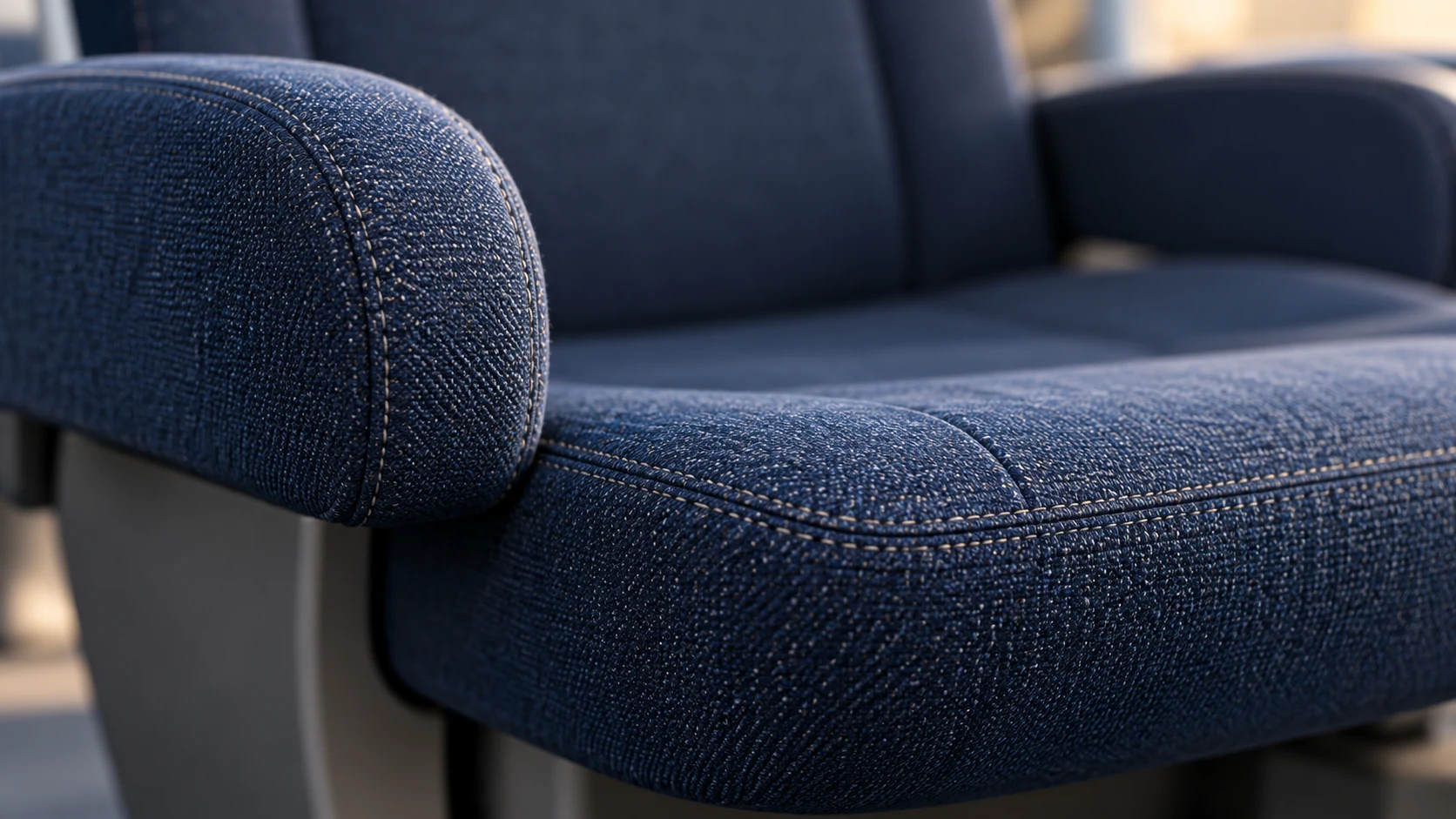
No. Doubling an abrasion count does not mean doubling a sofa’s service life. These tests assess flat rubbing, while a finished seat also experiences wear around cushion edges, arm fronts and seams.
The association’s abrasion disclaimer explains that maintenance, use and application affect performance, and that flat abrasion does not cover edge abrasion. Read a very high count as one result within the overall seating specification.
Consider a reception chair with a frequently gripped arm front. Its vulnerable area can experience rubbing around a curve, contact with bags and repeated cleaning. A flat swatch’s count gives useful information about its face, but the chair’s construction and those exposures still deserve attention during sampling.
Scratching, puncture and seam damage also differ from abrasion. If the intended use includes pets or sharp objects, ask how those concerns have been assessed rather than assuming a rub count answers them. An appropriate faux-leather furniture care routine addresses another part of the service conditions, especially repeated wiping and cleaning residues.
What should an abrasion report show before you compare fabrics?
Two reports support a direct comparison when their method, abrasive, loading, direction and endpoint are aligned. Use the checklist below to match your purchase requirements to the test guidance.
| Item | What to specify or record | Why it helps |
|---|---|---|
| Material identity | Exact product code, color and backing or coating construction | Connects the result to the material offered |
| Method and edition | Full standard designation and test date | Makes the procedure identifiable |
| Abrasive | Cotton duck, wire screen or worsted wool, as applicable | Different abrasives change the test |
| Loading and mounting | Pressure, tension and specimen arrangement used | Shows the conditions behind the count |
| Sampling direction | Warp/weft details where the method calls for them | Retains directional information |
| Endpoint and result | Defined appearance change, actual endpoint or a stated stopping point | Separates an observed failure from a scheduled stop |
| Laboratory record | Laboratory, report number and specimen description | Allows a result to be checked against its source |
If a certificate summary omits these details, obtain the supporting report before ranking the materials. Keep the agreed construction attached to the approved swatch so that a later backing or coating change can be assessed against the same requirement. This fits within a broader supplier evaluation checklist, where document identity and the material offered need to match.
Puremorfilm is preparing a silicone leather product line for upholstery. We welcome furniture makers and project buyers who want to discuss their intended application, the abrasion evidence their project requests and future sample availability. You can contact us to learn about development progress or register interest in future samples. Bring the intended seating use and any test specification so that the discussion starts with the requirements you need to assess when samples become available.
Which test should you ask for?
Ask for the method named in the project specification, then apply the guideline for the material construction and use. For a mixed shortlist, resolve the method before comparing the counts.
- For woven indoor upholstery, either method can provide useful evidence when assessed against its own use-specific recommendation.
- For coated or silicone-coated upholstery, request the coated-fabric Wyzenbeek result and the relevant physical-property information.
- When suppliers provide different methods, request matching test evidence instead of applying a conversion factor.
- When a count is unusually high, keep its endpoint and the intended seating conditions in view.
A complete report gives you something concrete to check against the sample, and it stops a woven recommendation from slipping into a coated-material specification.
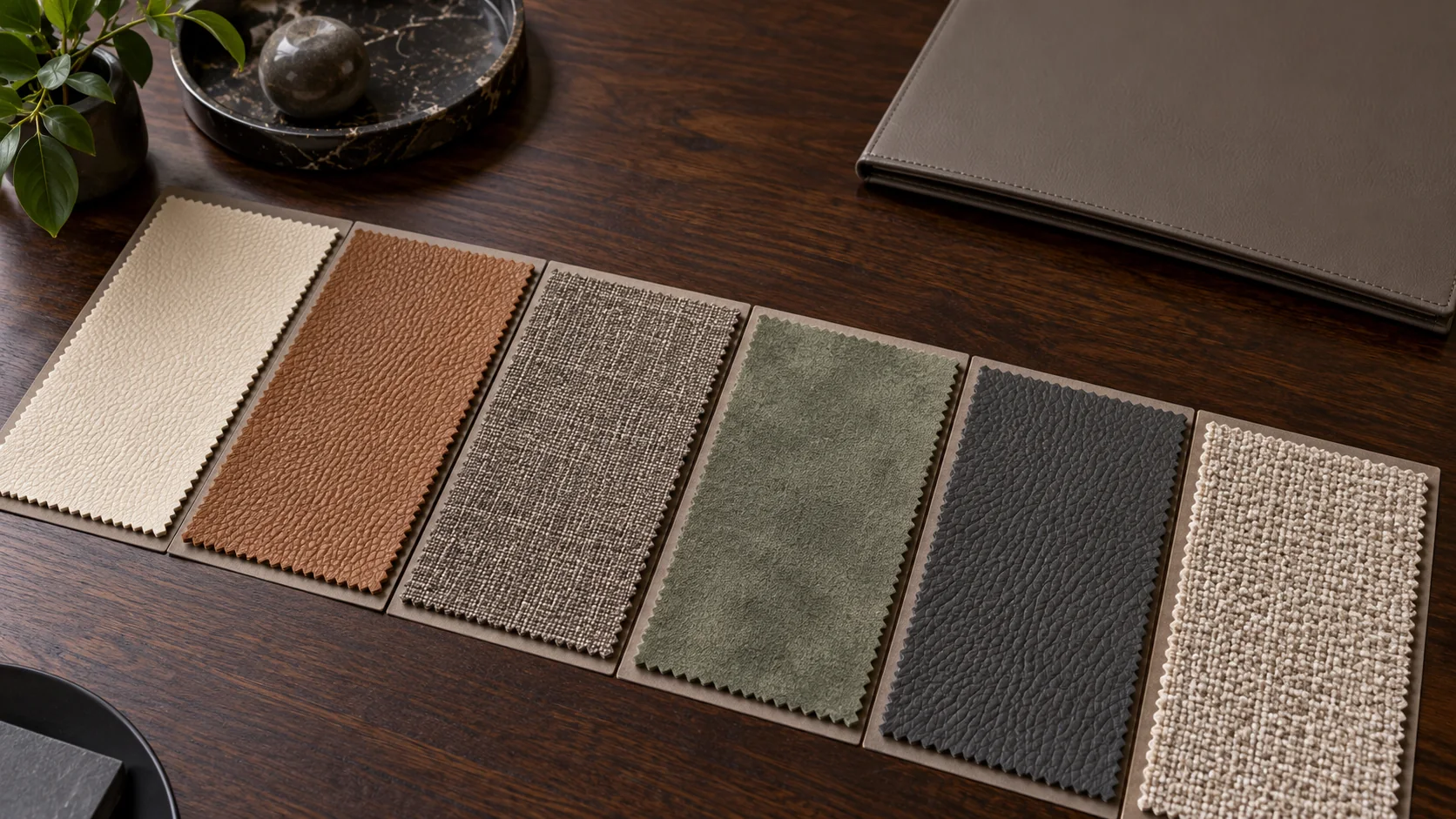
To discuss an upcoming upholstery project, contact us with the material construction, expected seating traffic and any abrasion reports already available.
Frequently Asked Questions
What is fabric abrasion testing used for?
Fabric abrasion testing assesses resistance to surface wear under specified laboratory rubbing conditions. It helps compare suitable results and check a project requirement alongside other material properties.
What is the Martindale method?
The Martindale method is a multidirectional abrasion test in which fabric rubs against a specified abrasive under controlled pressure. The reported cycles relate to the defined appearance endpoint or stopping point.
Is 15000 double rubs good for upholstery?
Yes, for woven indoor upholstery in the private, low-traffic category of the guidance discussed above. Public, higher-traffic seating has a higher woven recommendation, and coated fabrics use a separate guideline.
What does the Martindale rub count measure?
The Martindale rub count measures the cycles reached under that test’s conditions and endpoint. It is not a forecast of how many years a sofa will remain usable.
Is 40,000 Martindale good for a sofa?
Yes, it reaches the cited high-traffic recommendation for woven indoor upholstery when the report uses the specified conditions. It does not establish scratch resistance, seam performance or the suitability of a coated fabric.