
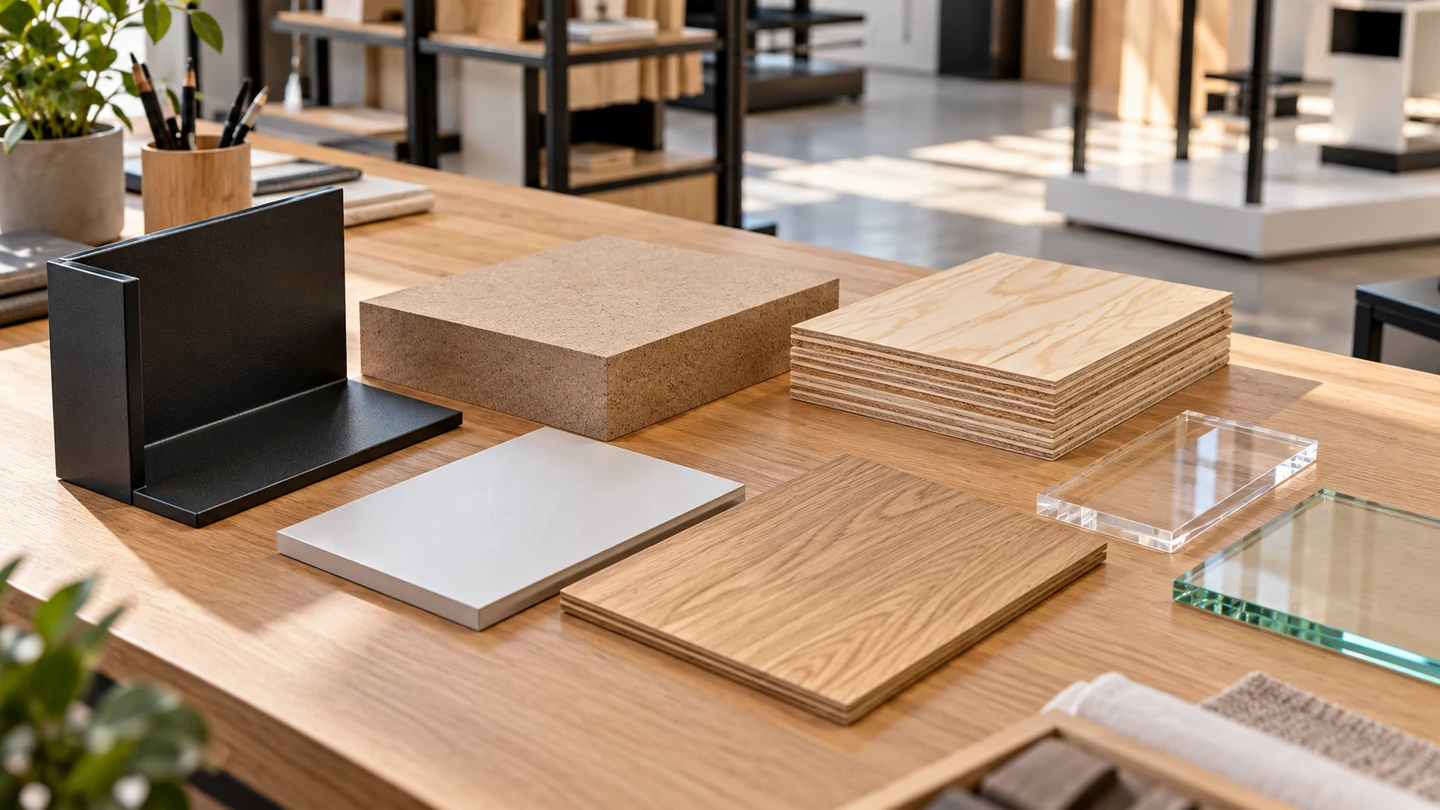
Retail fixture materials usually work together: a steel frame or wood-based panel supports the unit, laminate, veneer or paint creates the visible face, and glass or acrylic provides a clear view of protected merchandise. For heavy, frequently restocked shelving, start with an adjustable structural system; for a counter or display case, choose the support, decorative face and transparent parts separately.
Let the merchandise, shopper traffic, cleaning routine and how often you reset the layout decide the mix. A material name alone cannot tell you a finished shelf’s load capacity. Look at the complete frame, panel, connections and supports before deciding what the unit can carry.
What materials are retail fixtures made of?
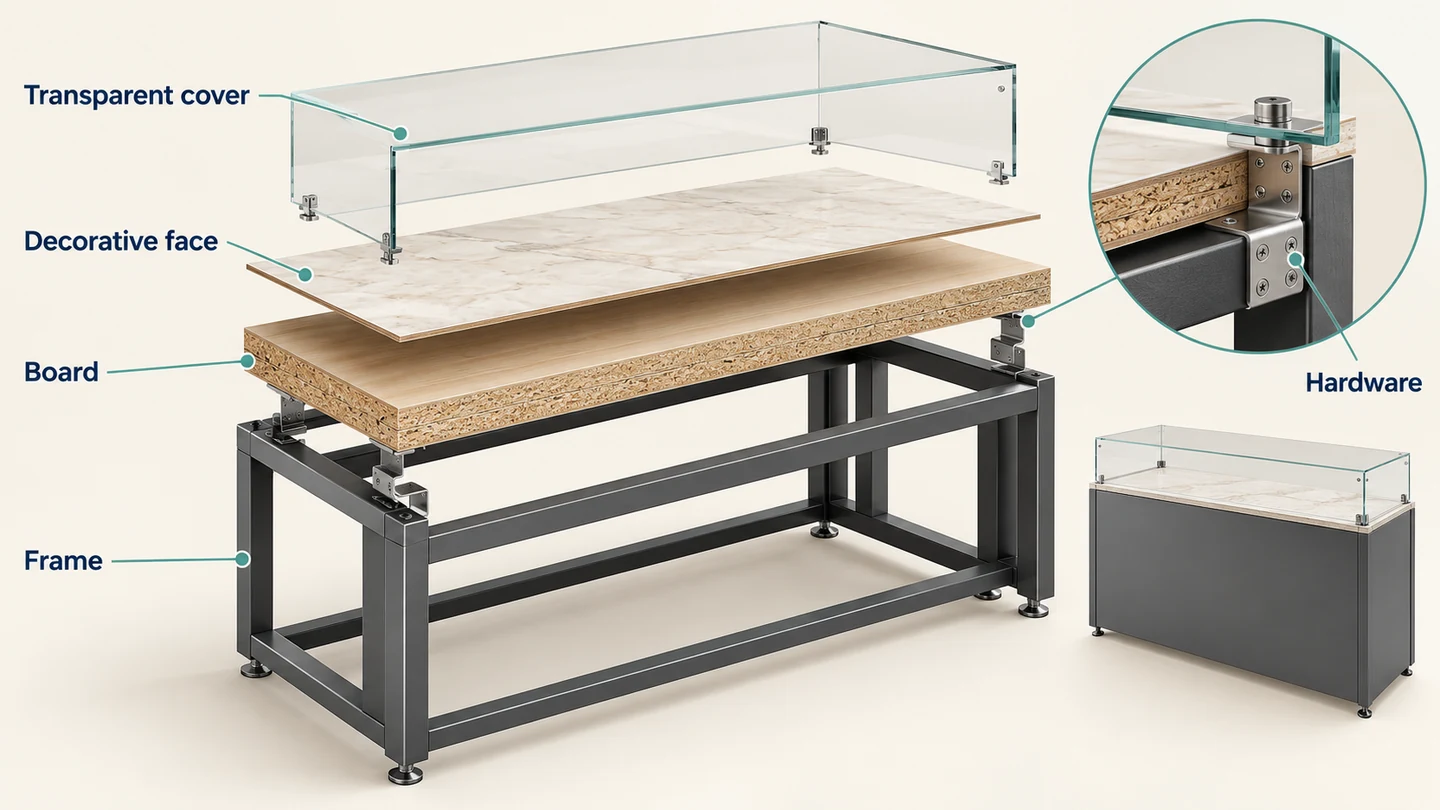
They combine metal, wood-based panels, decorative finishes and clear or colored plastics according to each part’s job. A fixture can have a steel skeleton, a veneered counter front, a laminated shelf and a clear display cover without any contradiction.
That is a better way to read a specification than choosing one supposedly superior material for the whole store. The visible front may create the look, while brackets and panel connections determine how the unit is supported. A clear cover can protect merchandise from handling while leaving its structural support below.
| Material family | Role in the fixture | Useful starting application | Detail to examine |
|---|---|---|---|
| Powder-coated steel | Frame, uprights, brackets and adjustable shelving | Repeatedly restocked systems | Connections, coating and rated assembly |
| Stainless steel | Structure or exposed surfaces | Wet, food-related or frequently cleaned areas | Grade, finish and compatible cleaning |
| Aluminum | Lighter modular frames and profiles | Reconfigured display structures | Profile and connector design |
| MDF or plywood | Shelves, counter bodies and case panels | Permanent cabinets and counters | Grade, span, support and edges |
| Laminate, veneer or paint | Decorative face on a supporting part | Shopper-facing surfaces | Wear, appearance and repair route |
| Glass, acrylic or other plastics | Transparent enclosure, signs or small display parts | Cases and countertop displays | Scratching, cleaning, weight and fabrication |
For a store project, the retail and commercial interior applications page shows where decorative facings enter that wider construction. Choose the facing alongside the structure, and do not expect it to carry any of the structure’s load.
How does the fixture type change the material choice?
Gondolas and wall systems favor adjustable frames and supports; counters and display cases often combine finished wood-based bodies with clear upper parts; small countertop and seasonal displays can use molded or formed plastics and temporary materials.
A gondola is a freestanding shelving unit, often used to create an aisle. A perimeter or wall system uses the store edge for merchandise. Endcaps face the end of an aisle, while cases, counters and tabletop stands present products in more enclosed or focused arrangements. These types ask different things of their materials.
For packaged food, frequent replenishment and changing shelf positions make the structural system important. A jewelry case needs clear presentation, controlled access and a well-finished body. A small cosmetics stand may place more value on a formed shape, low weight or lighting effect.
Think about moving the unit as well as using it. A seasonal display taken down and stored needs joints and components that tolerate that handling. A permanent checkout counter needs a durable visible face and serviceable edges around frequently touched areas. The furniture decorative film overview covers one decorative facing route for those fixed panel components.
When is metal the right fixture material?
Use powder-coated steel for adjustable systems and heavily restocked displays, stainless steel where wetting and frequent cleaning favor it, and aluminum for lighter modular frames. Confirm the intended grade, profile and connection design for the actual unit.
The retail manufacturer’s material overview, published in October 2026, describes these structural roles. Steel suits uprights, brackets and shelving that must stay serviceable through repeated replenishment. Stainless and aluminum answer different cleaning, finish and handling priorities.
For a supermarket aisle, look at the compatibility of the uprights, shelf brackets and accessories. For a boutique garment display, the appearance and flexibility of an aluminum profile can be useful, provided the connections support the intended loading. A polished-looking frame can still have poorly fitting hardware.
Record the metal section or gauge used, coating, color and connector family in the design information. Inspect welds and exposed edges on a sample unit where relevant. Avoid selecting a nominal thickness from an unrelated store: a short shelf with close supports and a long unsupported span place different demands on the same metal.
Which wood-based boards suit shelves, cases and counters?
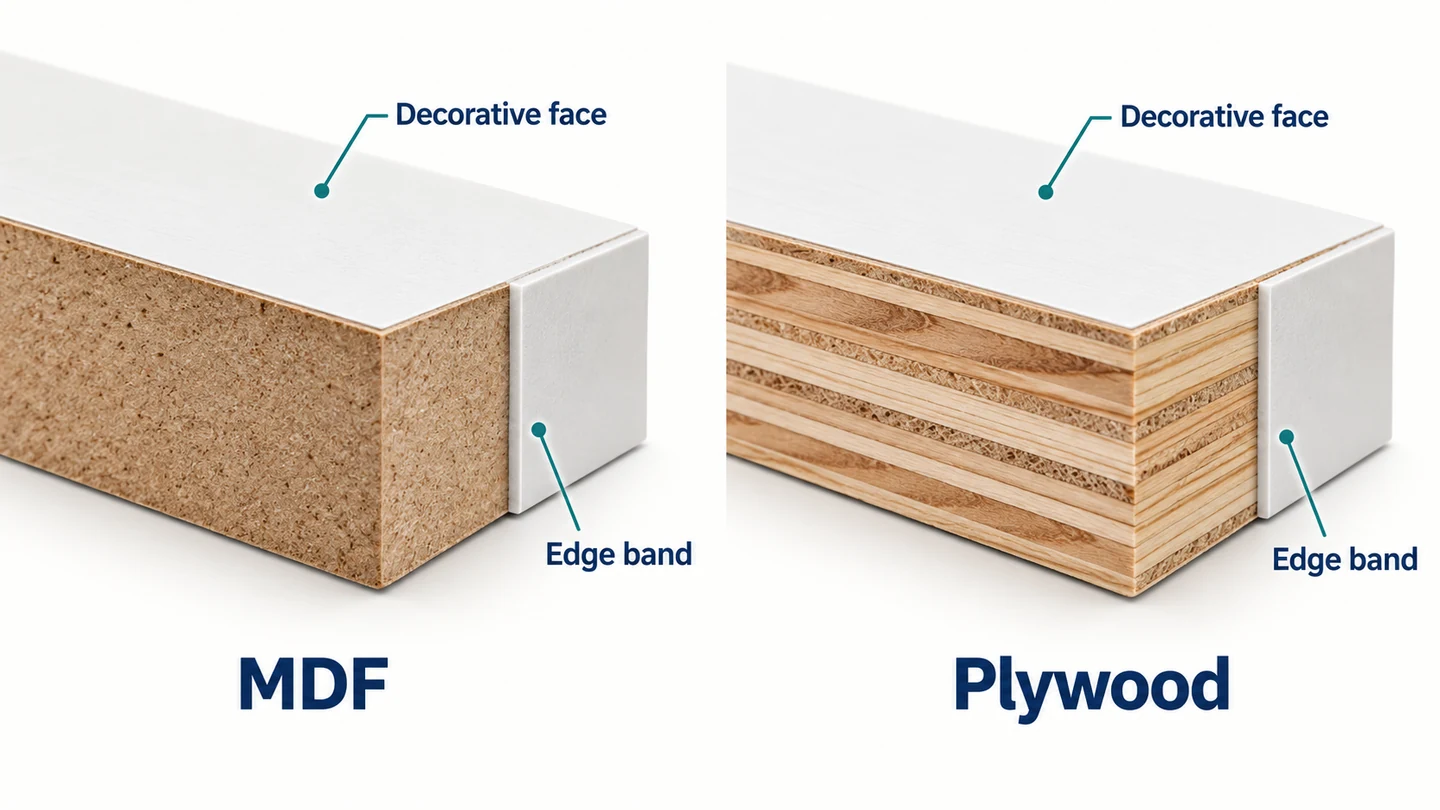
MDF suits smooth painted or faced cabinet bodies and counters; plywood suits many screw-fixed and spanning components. Choose the actual grade, thickness, span and support arrangement for the job instead of treating either board name as a load rating.
The Composite Panel Association’s MDF overview describes its uniform, smooth and readily machined structure. That makes it useful where a finish needs a consistent surface. A well-finished and edge-protected MDF counter or display case can be a permanent interior fixture.
APA’s plywood information explains construction from bonded veneer layers, with grain directions arranged across layers. Grade and panel orientation are important when using that construction in a shelf or screw-fixed component. Moisture exposure and the intended finish also enter the choice.
At a checkout counter, examine corners, cable openings and plinth edges, where an exposed core can meet cleaning water or knocks. A stock shelf needs its load and support arrangement assessed as well as an attractive surface. The MDF material explanation and MDF versus plywood comparison cover the board differences in more detail.
How do laminate, veneer and paint compare on fixture panels?
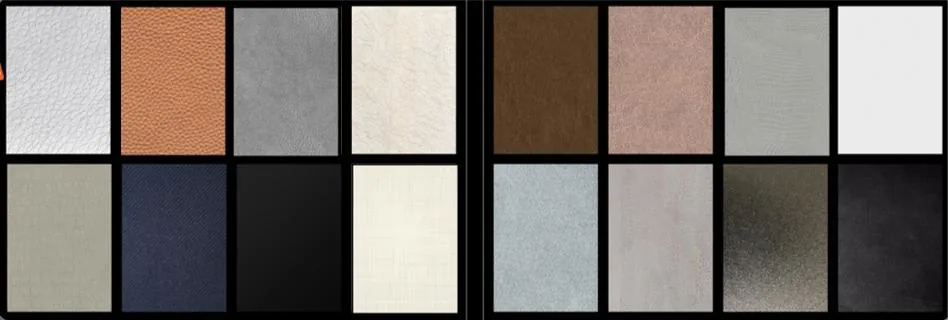
Laminate is a useful starting choice for frequently touched counter and case panels, veneer for a genuine wood face, and paint for a coordinated color or shaped component. Compare the actual face, coating and repair method before deciding on wear or cost.
The TFL construction explanation describes resin-impregnated decorative paper fused directly to a board. HPL is formed as a separate sheet and then bonded to its support. That construction distinction helps explain a quote that lists both a board and a separate decorative laminate.
| Finish | What creates the visible face | Practical choice | Repair consideration |
|---|---|---|---|
| TFL or HPL | Resin-based decorative surface, directly fused or separately bonded | Frequent handling and a consistent pattern | Damaged faces or edges need the appropriate repair or replacement route |
| Natural veneer | A thin real-wood face on a core | Natural grain and deliberate matching | Sanding is limited by remaining veneer and finish |
| Paint or coating | An applied coating on the prepared part | Specific color and shaped details | Local repair depends on the coating and ability to match the finish |
A shop counter often combines materials even within one assembly: a durable broad face, protected edge and a different work surface. For a natural wood look, compare an actual veneer sample with a printed face under store lighting. The melamine and laminate comparison explains the resin-faced choices, while the wood veneer and laminate article covers the natural-versus-printed decision.
When should a display use acrylic, glass or another plastic?
Choose acrylic when low weight, forming or a lighting effect matters; choose glass where scratch resistance and lasting clear presentation are priorities. Use an appropriate grade and construction for the size, handling and cleaning involved.
An ACRYLITE comparison table lists glass at about 2.9 lb/ft² and acrylic at about 1.5 lb/ft² at the same 0.250-inch thickness. This compares equal-thickness sheets, not designs with equal stiffness or whole display-case weights. Ordinary acrylic is more easily scratched and chemically damaged than glass, which makes its care information worth checking before installation.
For a small countertop stand moved by staff, acrylic’s lower sheet weight can be convenient. For a large fixed display face that receives regular wiping and close inspection, glass may better suit the presentation. Consider the frame and handling arrangement alongside either clear material.
The plastics supplier’s display guide also covers PVC, HDPE, polycarbonate, styrene, PETG and ABS. Polycarbonate is used where impact performance matters, and PETG for clear formed components. Those are fabrication directions, with individual grade data and cleaning restrictions still governing the finished component.
How do load, traffic and cleaning affect the material mix?
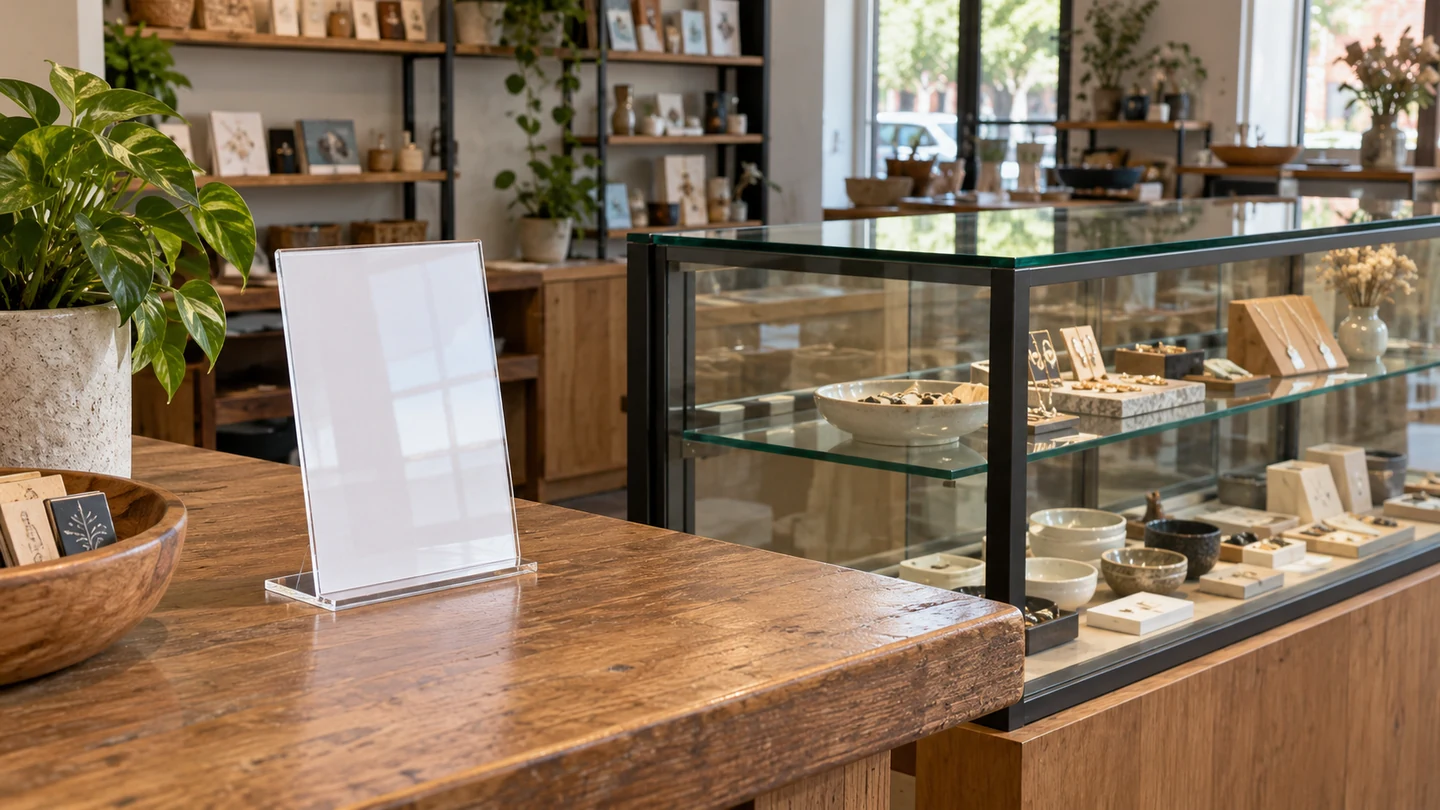
Load governs the shelf, frame, connections, span and support arrangement; shopper contact and cleaning govern the face and edge details. Assess those together for the complete fixture.
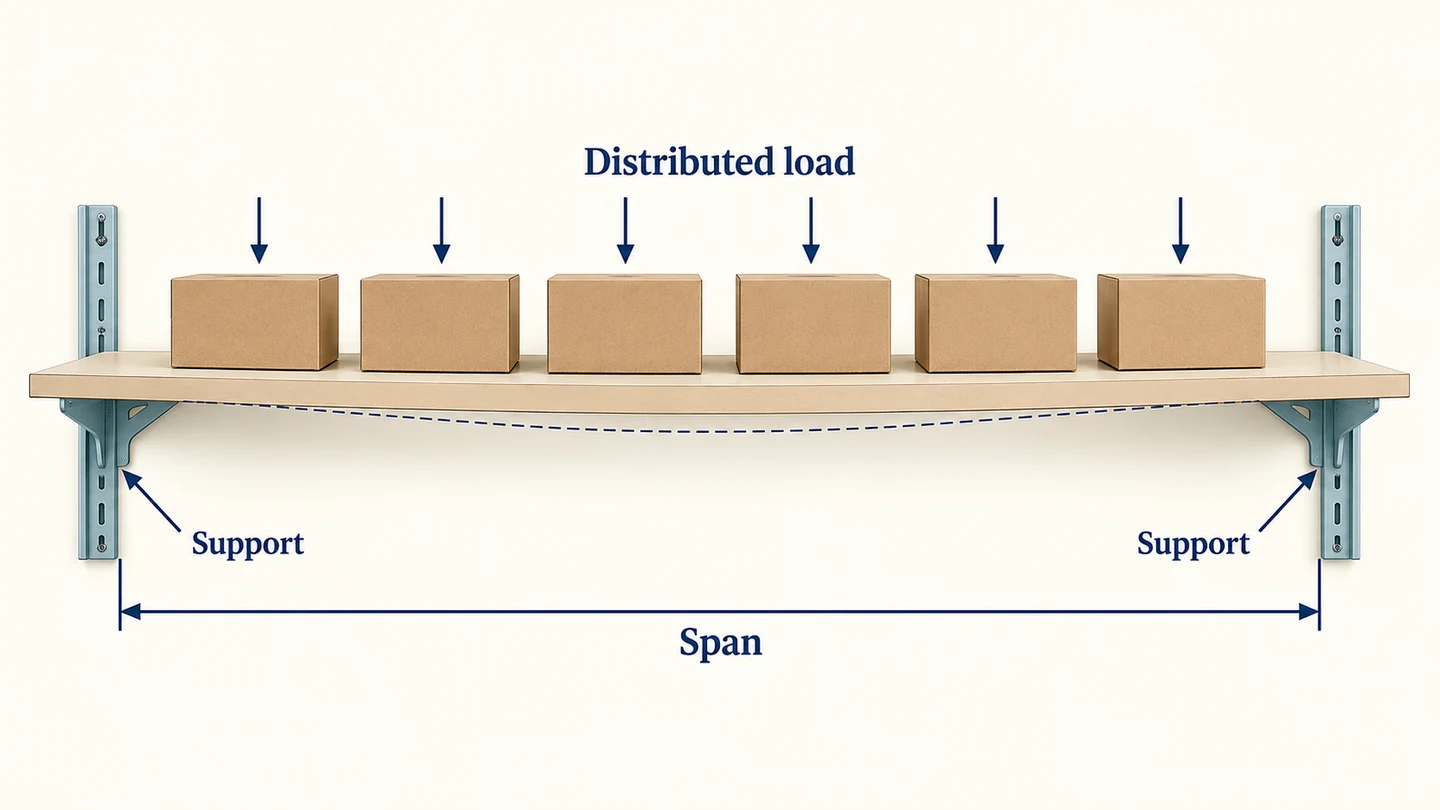
The panel load-span concepts described by APA include bending, shear and deflection. Deflection is the amount a loaded part bends. A shelf can look sagged before it reaches a structural failure, which matters when merchandise needs a level, well-presented surface. Building-panel tables explain these principles but are not ratings for a retail fixture.
For canned goods, consider the distributed product load and how it reaches the supports. For a jewelry case, the glass, doors and cabinet connections may matter more than a heavy merchandise load. At a checkout counter, bags, hands and frequent wiping concentrate wear at the visible front and edges.
Exposed panel edges are vulnerable to knocks and moisture. Choose an edge treatment that suits the facing and expected cleaning, then examine the joint quality on the proposed construction. The MDF edge-banding guide explains those details, and the surface test guide helps interpret wear evidence for a chosen face.
How long do custom fixtures take, and what drives cost?
Custom programmes are planned in weeks from kickoff to delivery: one manufacturer gives 10–14 weeks for straightforward single-material work and 16–24 weeks or longer for complex programmes with design, prototypes and engineering review. Use those as that company’s examples when setting an initial programme.
The figures come from Agility Retail’s May 2026 custom-fixture guide. They cover the wider project sequence, so they should be compared with the same start and finish points in a proposal. Production time alone is a smaller part of a programme that includes approvals.
The material mix affects how many fabrication and finishing operations must be coordinated. Custom metalwork, a matched decorative face, transparent parts and special hardware can need separate samples and approvals. Quantity and transport also influence the job, particularly when stores need deliveries coordinated with an opening or reset.
Set the required delivery and installation window early, then work back through prototype approval, finish samples and drawings. If a seasonal launch is fixed, resolving the material and connection details before fabrication helps keep late design changes from entering that window. Compare offers with the same scope and delivery basis, without assuming the cheapest material produces the least expensive finished unit.
Where does a silicone-faced panel film fit?
Puremorfilm makes decorative film with a silicone functional face for flat panels used in counters, display cases and wall units. We supply mainly rolls for PUR flat lamination, with film-faced panels available on request. The silicone face is inherently flame-retardant, with higher grades up to UL 94 V-0 available on request.
SGS tested a submitted film sample to ASTM D4060-25 with CS-10 wheels, 1000 g per wheel and 60 rpm; after 2000 revolutions it showed slight matting. In the manufacturer’s laboratory tests, stated stains left at 25°C for 24 hours wiped off with no obvious change. Our formulation is No DOP, and the film is not made for floors, stovetop counters, shower floors or other walking surfaces. Our newer paint-free surface uses silicone functionality, distinct from PVC, melamine, PP and PETG facings.
The laminated panel route concerns this decorative surface. The fixture’s frame, transparent parts and shelf structure retain their separate roles.
Which materials should you choose for each fixture part?
Use metal for an adjustable support system, a suitable finished board for counter and case bodies, and a clear material selected for presentation and handling. Finish the exposed faces and edges for the contact and cleaning they will receive.
| Fixture part or setting | Starting choice |
|---|---|
| Gondola or repeatedly restocked frame | Designed steel upright, bracket and shelf system |
| Interior counter or case body | Faced or painted MDF, or suitable plywood construction |
| Shelf carrying merchandise | Board or metal sized and supported for the actual load |
| Fixed clear display face | Glass where scratch resistance dominates |
| Small lightweight formed display | Suitable acrylic or another specified plastic |
| Wet or food-related area | Suitable stainless or moisture-appropriate construction and finish |
For a decorative facing on flat fixture panels, contact us with the fixture type, panel dimensions and desired color or texture.
Frequently Asked Questions
What are fixtures in a retail store?
Retail fixtures are units that support, organize and display merchandise, including shelves, counters, cases and wall systems. Their materials serve structural, decorative and presentation roles.
What are the different types of fixtures used in retail stores?
Wall and perimeter systems, gondolas, freestanding units, display cases, counters, endcaps and countertop stands are common types. Stores often combine them to suit different merchandise.
Is MDF a suitable retail fixture material?
Yes. Properly faced and edge-protected MDF suits many indoor counters and display cases. Moisture, heavy knocks and shelf loads need assessment against the actual grade and construction.
When should a display use acrylic rather than glass?
Acrylic suits lightweight small displays, formed shapes and some lighting effects. Glass is useful when resistance to surface scratching and long-term clear presentation matter more.
Can wood and metal be combined in one retail fixture?
Yes. A metal support frame with finished wood-based panels is a common combination. Design the connections and each component for its part of the load and use.